

Spotting the patterns early
Divorce is hard, but a narcissist makes it a battle of attrition. I'm looking at the specific behaviors that show up in court and at home—patterns of control and manipulation that go beyond typical marital friction.
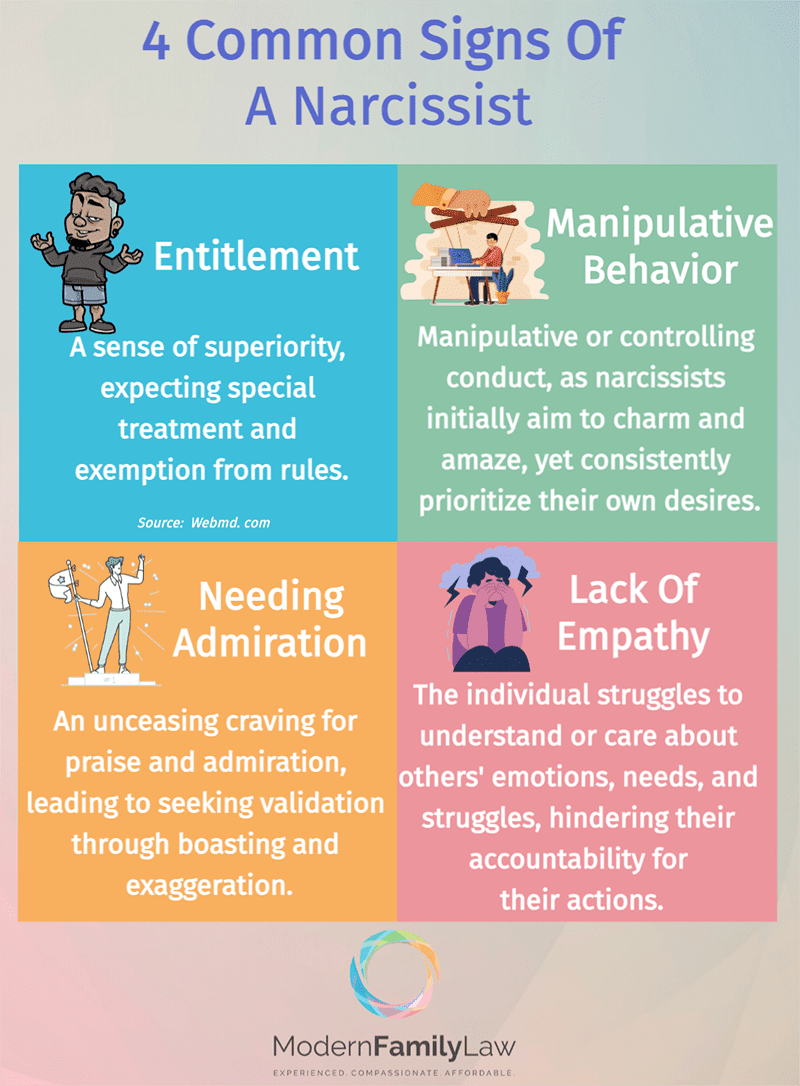
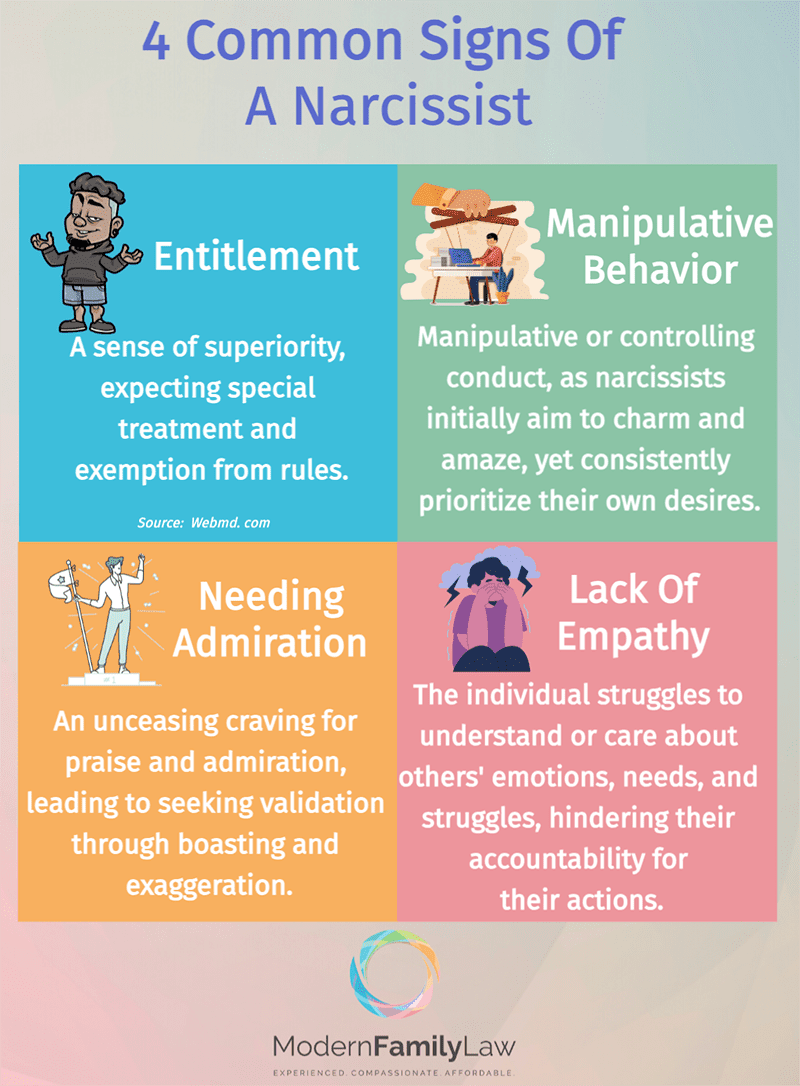
Common behaviors include gaslighting – denying your reality or twisting events to make you question your sanity – and constant attempts to control the narrative. Narcissists need validation, and a divorce threatens their sense of self-importance. This can manifest as relentless criticism, attempts to portray you as the unreasonable one, and smear campaigns aimed at damaging your reputation. They may exaggerate their own contributions to the marriage while minimizing yours, and will likely play the victim.
The stress of a divorce often escalates these behaviors. What might have been subtle manipulation during the marriage can become overt hostility and attempts to sabotage the process. Memphisdivorce.com highlights the importance of pre-divorce planning, and anticipating these tactics is a crucial first step. Be prepared for delays, false promises, and emotional outbursts. Recognizing these patterns isn't about labeling someone; it's about understanding the dynamics at play and protecting yourself.
How to protect your assets
Protecting your financial future is paramount when divorcing a narcissist. They may have engaged in financial control during the marriage, hidden assets, or made questionable investments. The first step is meticulous documentation. Save everything – emails, texts, voicemails, bank statements, and any other evidence of financial transactions or controlling behavior. This documentation will be invaluable in court.
Consider hiring a forensic accountant. They specialize in uncovering hidden assets and tracing financial flows. This is especially important if you suspect your spouse has been dishonest about their income or has transferred assets to conceal them. Don't underestimate the lengths a narcissist will go to maintain control, even if it means jeopardizing their own financial well-being.
If you’re experiencing harassment or threats, immediately seek a restraining order. This can provide legal protection and prevent further intimidation. Be cautious about agreeing to mediation with someone who isn’t acting in good faith. tboglelaw.com emphasizes that the law doesn’t necessarily recognize "narcissism’ as a legal defense, but it does recognize patterns of abusive behavior. Your attorney can use documented evidence to demonstrate this behavior and protect your rights. Prepare for a fight, and don"t be afraid to push back.
- Gather all financial records (bank statements, tax returns, investment accounts).
- Document instances of financial control or manipulation.
- Consult with a forensic accountant to uncover hidden assets.
- Seek legal counsel to discuss your options for protecting your financial interests.
Custody and the risk of alienation
Child custody battles are particularly fraught when a narcissist is involved. They often use children as pawns, attempting to turn them against the other parent – a tactic known as parental alienation. This can involve badmouthing the other parent, limiting contact, or creating false narratives about their character.
Your primary focus should be on maintaining a stable and loving environment for your children, despite the other parent’s actions. Avoid speaking negatively about the other parent in front of the children, and encourage them to maintain a relationship with both parents. Document any instances of alienation attempts, including emails, texts, or witnessed conversations.
A custody evaluation by a psychologist can help. They look at what the kids actually need and report back to the judge. Courts care about the children's well-being, so focus on documenting the harmful behavior rather than just using labels. It's a long process, but it keeps the kids safe.
- Prioritize your children's emotional well-being.
- Document any attempts at parental alienation.
- Seek a custody evaluation from a qualified professional.
- Maintain a consistent and loving presence in your children’s lives.
The grey rock method and limited contact
Direct communication with a narcissist is often counterproductive and can exacerbate the conflict. They thrive on drama and will likely use any opportunity to manipulate or provoke you. The "grey rock" method – becoming as uninteresting and unresponsive as possible – is a highly effective strategy. Provide only factual information, avoid emotional reactions, and keep your responses brief and neutral.
Utilize communication platforms that allow for documentation, such as email or text messaging. This creates a record of all interactions and can be used as evidence in court. Avoid phone calls or in-person meetings whenever possible, as these are more easily manipulated. Memphisdivorce.com cautions against allowing a controlling spouse to monitor your communications.
Setting boundaries is essential, and sticking to them is even more important. Be firm and consistent in your responses, and don’t allow yourself to be drawn into arguments or emotional debates. It’s not about being polite; it’s about protecting yourself. Remember, you’re not trying to win them over; you’re trying to navigate a difficult situation with minimal damage.
- Employ the 'grey rock' method.
- Communicate primarily through email or text.
- Set firm boundaries and enforce them consistently.
- Avoid engaging in emotional arguments.
Protecting Your Mental Health
Divorce is inherently stressful, but divorcing a narcissist can be emotionally devastating. The constant manipulation, gaslighting, and attempts to control can take a significant toll on your mental health. Prioritizing self-care is not selfish; it’s essential for your well-being.
Seek therapy from a qualified mental health professional experienced in narcissistic abuse. They can provide support, guidance, and coping mechanisms to help you navigate the emotional challenges. Building a strong support system of friends and family is also crucial. Surround yourself with people who understand and validate your experiences.
Recognize the signs of emotional abuse and don’t minimize the impact it’s having on you. It’s okay to grieve the loss of the relationship, and it’s okay to ask for help. Your well-being is paramount, and you deserve to heal and rebuild your life.
Post-Divorce: Maintaining Boundaries
The work doesn’t end with the divorce decree. Maintaining boundaries with a narcissist post-divorce is crucial for protecting your emotional and financial well-being. They may continue to attempt manipulation, harassment, or attempts to re-engage you in conflict. Be prepared to enforce the divorce decree and seek legal counsel if necessary.
Co-parenting with a narcissist presents unique challenges. Limit communication to essential matters related to the children, and document all interactions. Avoid getting drawn into arguments or emotional debates. Focus on creating a stable and loving environment for your children, and prioritize their needs above all else.
Building a new life after divorce takes time and effort. Focus on your own goals, interests, and relationships. Remember, you deserve happiness and peace of mind. Protecting yourself from further harm is an ongoing process, but it’s one that’s well worth the effort.



No comments yet. Be the first to share your thoughts!