

The reality of divorcing a narcissist
I recently spoke with a woman – let’s call her Sarah – who spent years walking on eggshells, constantly apologizing for things that weren't her fault, and financially controlled by her husband. When she finally decided to leave, he turned the narrative, portraying her as unstable and a terrible mother. It’s a story I hear variations of all too often. While it’s difficult to pinpoint exact statistics, there’s a noticeable increase in people using the term "narcissist" to describe their ex-partners.
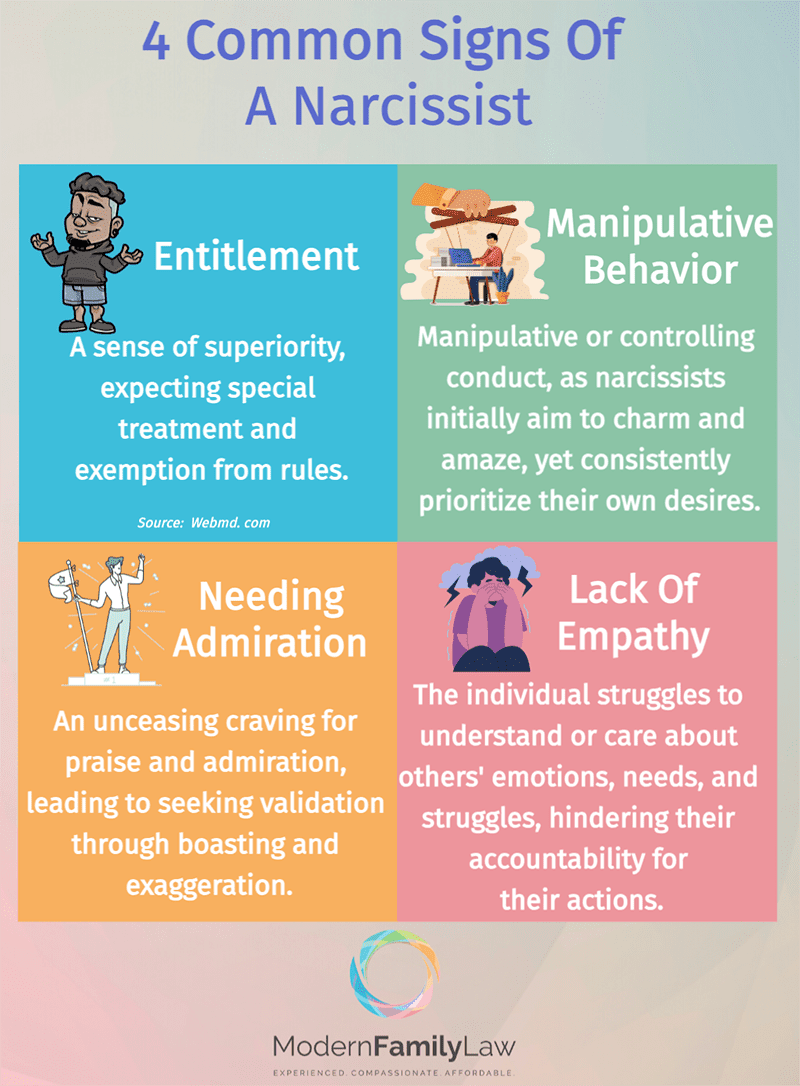
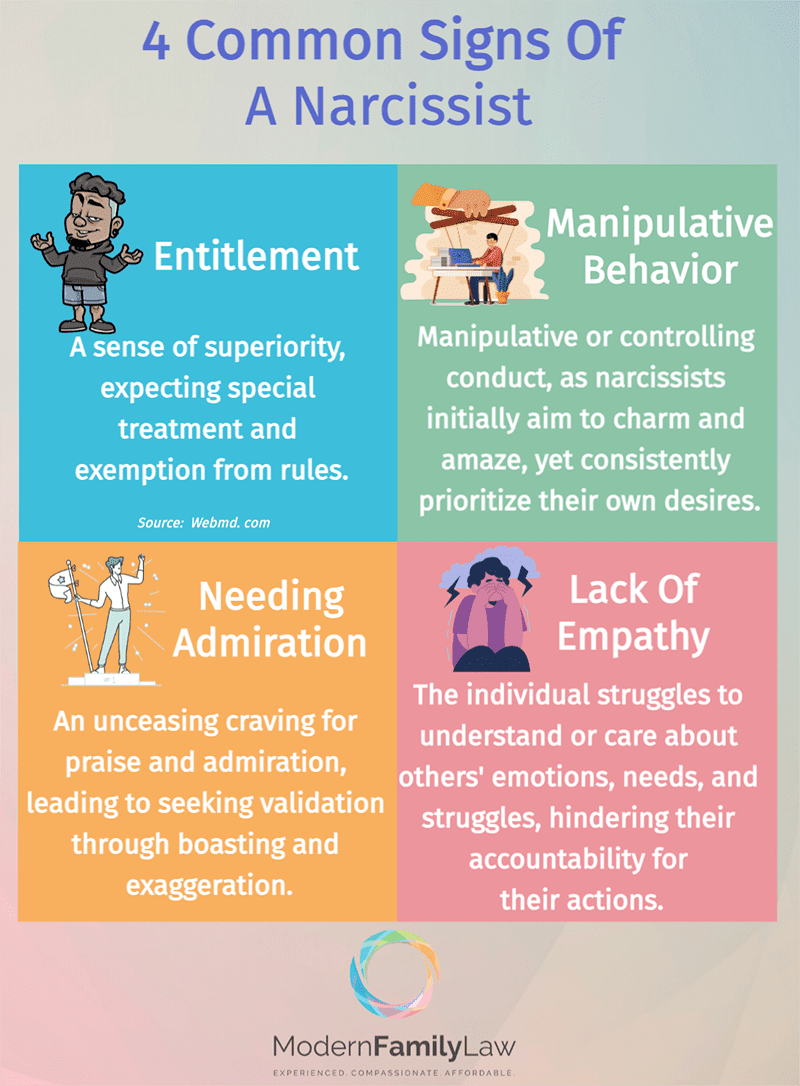
This isn’t necessarily because narcissistic personality disorder (NPD) is more common now. People just recognize the patterns better. While self-diagnosis happens often, I focus on the actions and their impact rather than the label itself. A formal diagnosis is for doctors; the behavior is what matters in a divorce.
Divorce involving these patterns of behavior presents unique challenges. Narcissists often refuse to take responsibility, deflect blame, and prioritize winning over fair outcomes. This can lead to protracted legal battles, emotional distress, and financial hardship. The legal system isn’t always equipped to handle these dynamics, which is why a strategic approach is so vital. Expect a fight, and prepare accordingly.
The difficulty lies in proving these behaviors in court. While a formal diagnosis isn’t required to demonstrate a pattern of controlling or manipulative behavior, understanding the traits associated with NPD can help you anticipate tactics and build a stronger case. It’s about demonstrating how these behaviors impact the marriage and, crucially, any children involved.
Common courtroom tactics
Narcissists frequently weaponize the legal process. A common tactic is gaslighting the court, subtly undermining your credibility by questioning your memory, sanity, or perceptions of events. They might present a completely false narrative, casting themselves as the victim and you as the aggressor. Expect them to portray any attempts you make to protect yourself as evidence of your instability.
Smear campaigns are also incredibly common. They’ll attempt to damage your reputation, both personally and professionally, often through carefully crafted lies and exaggerations. This can extend to spreading false accusations about your parenting abilities, especially if children are involved. Expect them to try and rally friends and family to their side, creating a narrative that supports their version of events.
Strategic delays are another hallmark of these divorces. They’ll file frivolous motions, request endless discovery, and generally try to drag out the proceedings as long as possible, knowing it will drain your resources and emotional energy. They might also refuse to cooperate with requests for financial information, hoping to wear you down. I’ve seen cases where they’ve filed multiple appeals simply to prolong the process.
"Hoovering’ – attempting to suck you back into the relationship – can continue throughout legal proceedings. They might send seemingly heartfelt messages, promise to change, or try to manipulate you into meeting outside of court. This is a tactic to regain control and disrupt your progress. Be wary of any attempts at reconciliation, especially if they seem sudden or insincere. They will try to present themselves as the ‘concerned parent" while actively undermining you.
Building a paper trail
Meticulous documentation is your most powerful weapon. Save everything: emails, texts, voicemails, financial records, and any other communication with your spouse. Document instances of controlling behavior, threats, or manipulation. Keep a record of any parenting issues, such as missed visitation or attempts to interfere with your relationship with your children.
A 'divorce journal' can be invaluable, but it must be objective. Don't use it as a place to vent your emotions; instead, focus on recording factual events. Include dates, times, and specific details. What was said? What happened? Who was present? This journal isn’t for emotional release; it’s a detailed record for potential use in court.
Evidence rules change depending on where you live, but generally, if you can verify it, you can use it. Screenshots, emails, and bank statements are standard. Witness testimony helps too. You'll need to check the specific rules in your local court with your lawyer.
I always tell clients to treat every interaction as if it could be reviewed by a judge. Don’t engage in heated arguments over text, and avoid making any agreements verbally. Get everything in writing, and keep a copy for your records. This level of diligence can make all the difference in the outcome of your case.
- Emails and texts
- Voicemails
- Bank statements and tax returns
- Instances of controlling behavior
- Parenting issues
- Attempts at manipulation
Hidden money and financial games
Narcissists often use finances as a tool for control, both during the marriage and the divorce. They may hide assets, undervalue their income, or create complex financial structures to conceal their wealth. They might refuse to cooperate with financial disclosure, making it difficult to get a clear picture of the marital estate.
Investigating hidden assets may require the help of a forensic accountant. They can trace funds, uncover secret bank accounts, and identify undervalued assets. Subpoenas can be used to compel your spouse to provide financial information, and third-party audits can be conducted to verify their claims. This can be expensive, but it’s often necessary to ensure a fair settlement.
Legally, you have recourse if your spouse is deliberately concealing income or assets. You can file a motion with the court to compel disclosure, and you can request sanctions if they fail to comply. In some cases, the court may even hold them in contempt of court. The key is to present clear and convincing evidence of their deception.
I’ve seen cases where they’ll open secret bank accounts in the names of family members or transfer assets to shell corporations. They might also underestimate the value of their business or downplay their investment income. Be prepared to dig deep and challenge their financial disclosures.
Keeping children out of the crossfire
Narcissistic parenting can have a devastating impact on children. Common tactics include parental alienation – attempting to turn the children against the other parent – triangulation – involving the children in adult conflicts – and emotional manipulation. Children may be used as pawns in the parents’ conflict, leading to anxiety, depression, and behavioral problems.
To protect your children, minimize their exposure to conflict. Avoid speaking negatively about your spouse in front of them, and don’t ask them to choose sides. Focus on providing a stable and supportive environment, and reassure them that they are loved unconditionally. It’s crucial to shield them from the details of the divorce proceedings as much as possible.
Legally, custody and visitation arrangements should prioritize the children’s best interests. Courts are increasingly aware of the harmful effects of parental alienation and may order supervised visitation or limit contact if necessary. It’s important to advocate for your children’s needs and to present evidence of any harmful behavior by your spouse.
It’s heartbreaking to see children caught in the middle of these conflicts. Remember that your children deserve a childhood free from parental conflict. Prioritize their emotional well-being, and seek professional help if they are struggling. Therapy can provide a safe space for them to process their feelings and develop coping mechanisms.
Staying sane during the process
Divorcing a narcissist is incredibly emotionally draining. It’s essential to prioritize your own mental wellbeing. This means setting boundaries, saying no to unreasonable requests, and surrounding yourself with supportive people. Therapy can provide a safe space to process your emotions and develop healthy coping mechanisms.
Support groups can also be invaluable. Connecting with others who have gone through similar experiences can help you feel less alone and provide practical advice. Online forums and communities can offer a sense of connection and validation. Remember that you’re not weak for seeking help; in fact, it’s a sign of strength.
Be aware of the potential for trauma bonding – a strong emotional attachment to someone who is abusive. Breaking free from a narcissistic relationship can be incredibly difficult, even when you know it’s the right thing to do. Recognize that you deserve to be treated with respect and kindness.
Resources for support include therapists specializing in narcissistic abuse, online support groups like those found on Facebook, and legal aid organizations that can provide assistance with your divorce proceedings. It’s okay to ask for help – in fact, it’s essential. Don’t underestimate the toll this takes on your mental health.
Helpful Resources
- National Domestic Violence Hotline - Provides 24/7 crisis intervention, safety planning, and referrals to local resources. 1-800-799-SAFE (7233).
- The National Coalition Against Domestic Violence (NCADV) - Offers information, advocacy, and resources related to domestic violence, including legal options and support services.
- Psychology Today Therapy Directory - Allows you to search for therapists specializing in narcissistic abuse recovery, with filters for insurance, location, and other preferences.
- Narcissistic Abuse Recovery Support Groups (Meetup.com) - Note: Availability varies by location. Offers a platform to connect with others who have experienced narcissistic abuse for peer support.
- American Psychological Association (APA) - Provides information on finding a qualified psychologist and understanding psychological abuse.
- Legal Aid Society - Offers free or low-cost legal assistance to individuals who meet certain income requirements. Availability varies by state and county.
- State Bar Associations - Most state bar associations offer lawyer referral services to help you find an attorney specializing in family law and divorce.
The difficulty of co-parenting
Co-parenting with a narcissist is often extremely difficult, if not impossible. Their need for control and lack of empathy can make it challenging to cooperate effectively. If co-parenting is unavoidable, strategies for minimizing conflict are crucial. Parallel parenting – maintaining separate, independent parenting plans – can be a useful approach.
Use a communication app specifically designed for co-parenting, such as OurFamilyWizard or TalkingParents, for all interactions. This creates a documented record of all communication and reduces the opportunity for misinterpretation or manipulation. Avoid direct contact as much as possible, and focus solely on issues related to the children.
If your spouse is consistently violating the custody order or engaging in harmful behavior, it may be necessary to limit contact. Seek legal advice about modifying the custody arrangement or requesting supervised visitation. Your children’s safety and well-being should always be the top priority.
I’ve seen situations where supervised visitation is the only safe option. It’s a difficult decision, but sometimes it’s necessary to protect your children from a harmful co-parent. Remember that you have a right to advocate for your children’s needs and to protect them from abuse.



No comments yet. Be the first to share your thoughts!