

The narcissist's divorce playbook
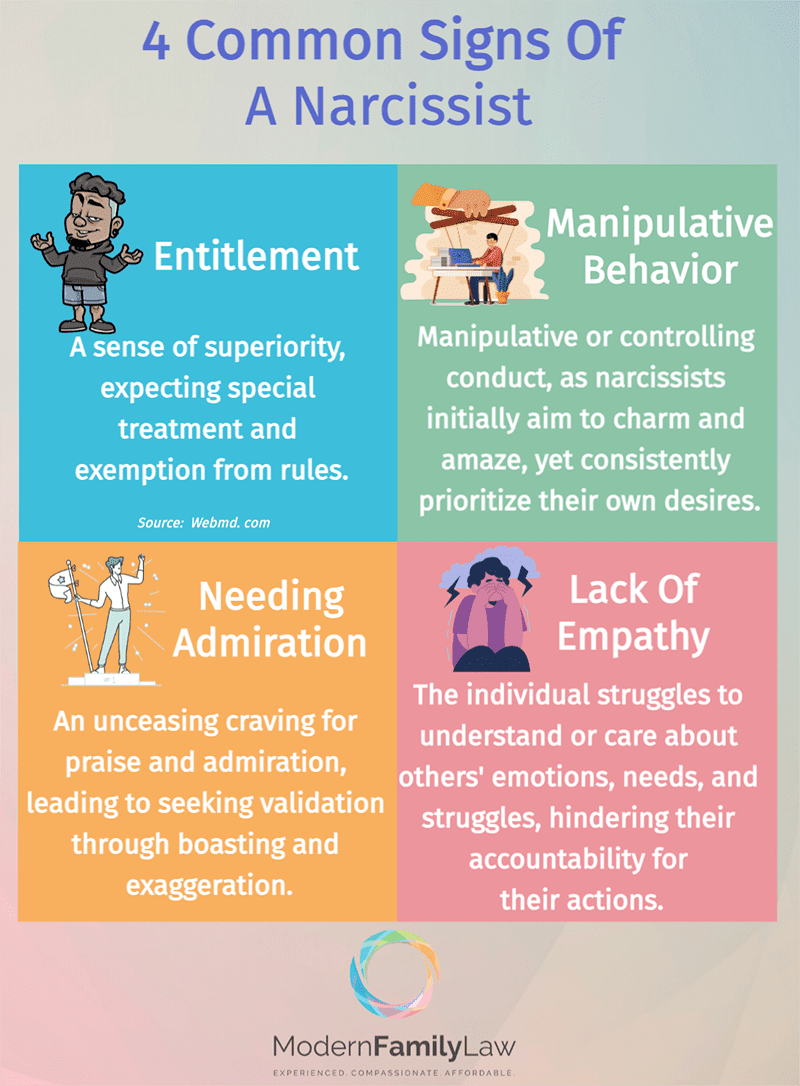
Divorcing a narcissist is an escape from a calculated campaign of control. These partners operate from deep insecurity masked by self-importance. They see divorce as a threat to their image. Memphis Divorce notes that their genuine feelings of superiority fuel their behavior during the legal process.
A key element is exploiting your fears. Narcissists are remarkably adept at identifying your vulnerabilities and using them against you. They’ll threaten, manipulate, and gaslight to maintain control. This isn’t simply about winning the divorce; it’s about inflicting pain and demonstrating their dominance. Expect a relentless pursuit of power, even if it seems illogical.
Interestingly, narcissists rarely initiate divorce proceedings. Why? Because even the negative attention of a divorce is preferable to losing control entirely. Filing for divorce cedes some power to you, something they desperately avoid. If they are the ones to file, it’s often a strategic move – perhaps to preempt your actions or to frame the narrative in their favor.
Expect a smear campaign. They’ll likely portray you as unstable, unfit, or even malicious to friends, family, and – crucially – the court. This is designed to isolate you and undermine your credibility. They will twist narratives and present themselves as the victim, regardless of reality. Understanding this playbook is the first step toward protecting yourself.

Legal tactics to counter manipulation
Start documenting everything immediately. Save emails, texts, voicemails, and financial records. Note the dates and times of every conversation. These records provide a factual basis for your claims and show the court where your spouse is lying.
Hire a lawyer experienced in dealing with high-conflict personalities. This isn't a case for a mediator who assumes good faith on both sides. You need someone who understands narcissistic behavior and can anticipate their tactics. TBogleLaw emphasizes the importance of combating delay tactics, which are a favorite tool of narcissists to wear you down and increase legal fees.
Presenting evidence of narcissistic behavior to the court can be tricky. You can’t simply label your spouse as a narcissist; that won’t hold weight. Instead, focus on behaviors that demonstrate a pattern of control, manipulation, or dishonesty. For example, consistently withholding financial information, making false accusations, or attempting to alienate your children.
Be prepared for false accusations. Narcissists are masters of projection – attributing their own flaws to you. Don't engage in emotional arguments. Present your evidence calmly and factually. Your lawyer can help you frame your responses to minimize damage and highlight the inconsistencies in their claims. Remember, the court is interested in facts, not feelings.
Protecting your assets
Narcissists often weaponize finances during divorce. They may hide assets, undervalue property, or attempt to control your access to funds. It's vital to protect yourself financially, even before filing for divorce if possible. This might involve opening a separate bank account, documenting your income and expenses, and gathering financial records.
Consider hiring a forensic accountant. They can trace hidden assets and provide a clear picture of your marital finances. This is particularly important if your spouse controls the finances or is self-employed. They can uncover hidden income streams and expose fraudulent transfers.
Understand the difference between marital and separate property in your state. Marital property is generally subject to division in a divorce, while separate property remains yours. Knowing this distinction is crucial for protecting your assets. Consult with your attorney to determine how your property will be classified.
If you suspect your spouse is hiding assets, bring it to your lawyer's attention immediately. They can file motions to compel disclosure and subpoena financial records. Don't attempt to investigate on your own, as this could jeopardize your case. The goal is to create a transparent and accurate accounting of all marital assets.
Custody and parental alienation
Child custody battles with a narcissistic co-parent can be incredibly challenging. Their primary goal isn't always what's best for the children; it's about maintaining control and punishing you. Be prepared for them to use the children as pawns in their game.
Protecting your children from parental alienation is paramount. Parental alienation occurs when one parent attempts to turn the children against the other parent. Document any instances of your spouse speaking negatively about you to the children, interfering with your visitation rights, or attempting to manipulate the children's emotions.
Evidence of parental alienation is crucial in court. This might include emails, texts, or witness testimony. Demonstrate your ability to provide a stable and nurturing environment for your children. Highlight your involvement in their lives and your commitment to their well-being.
Focus on the children’s needs, not your own hurt feelings. The court will prioritize the best interests of the children. Avoid badmouthing your spouse to the children, even if it's tempting. Maintain a civil and respectful demeanor, even when interacting with your spouse about custody matters.
Communication strategies
I recommend the 'Grey Rock' method. You make yourself as uninteresting as possible. Give brief, factual answers and refuse to argue. This deprives them of the emotional reaction they want.
Set firm boundaries. This means clearly communicating what behavior you will and will not tolerate. Be consistent in enforcing those boundaries. Don't allow them to interrupt you, insult you, or manipulate you. It's tough, but vital.
Parallel parenting is often the most effective approach. This involves minimizing direct contact with your spouse and focusing on your own parenting responsibilities. Communicate through a third party or a parenting app, if possible. The less direct interaction, the better.
Don't fall for their attempts at manipulation. They may try to guilt-trip you, gaslight you, or play the victim. Recognize these tactics and refuse to engage. Stay focused on your goals and your well-being.
How to handle the courtroom
According to discussions on Quora, preparing for court when divorcing a narcissist requires a strong legal team and a clear strategy. Anticipate their tactics – they will likely attempt to discredit you, distort the truth, and appeal to the judge's sympathy.
Work closely with your lawyer to prepare your testimony. Practice answering questions calmly and concisely. Focus on the facts and avoid emotional outbursts. Your lawyer can help you anticipate the questions they might ask and prepare effective responses.
Present your evidence in a clear and organized manner. Don't overwhelm the judge with irrelevant details. Focus on the most important evidence that supports your claims. Your lawyer can help you present the evidence in a way that is persuasive and easy to understand.
Stay calm and focused during cross-examination. Don't get drawn into arguments or emotional debates. Answer the questions truthfully and to the best of your ability. If you don't understand a question, ask for clarification.
Recovery and self-care
Divorcing a narcissist is emotionally exhausting. It's essential to prioritize self-care and emotional recovery. This isn't just about bubble baths; it's about actively addressing the trauma you've experienced.
Consider therapy. A therapist can provide a safe space to process your emotions, develop coping mechanisms, and rebuild your self-esteem. Look for a therapist who has experience working with survivors of narcissistic abuse.
Join a support group. Connecting with others who have gone through similar experiences can be incredibly validating and empowering. Sharing your story and hearing from others can help you feel less alone.
Set boundaries with family and friends. Limit your exposure to people who are unsupportive or who enable your spouse's behavior. Surround yourself with people who uplift and encourage you. Remember, your well-being is paramount.


No comments yet. Be the first to share your thoughts!