

Estimate your divorce costs
Understanding divorce costs is the first step in protecting your financial future, especially when you haven't been working. Without a steady paycheck, legal fees can feel overwhelming, but knowing what to expect helps you plan. Costs vary significantly depending on your state, whether the divorce is contested or uncontested, and how complex your assets are.
For example, an uncontested divorce in Texas without children typically costs around $15,600, while contested cases can exceed $20,000. Attorney hourly rates generally range from $100 to over $300, depending on experience and location. These figures include legal fees and court costs, but they don't account for additional expenses like mediation or financial disclosures.
Use the calculator below to get a baseline estimate for your specific situation. Keep in mind that these are averages; actual costs will depend on your state's laws and the unique details of your case.
This tool provides a rough estimate. For a precise figure, consult a local family law attorney who can review your specific assets and liabilities.
Filing fees and attorney rates by state
The baseline cost of ending a marriage comes from two distinct sources: court filing fees and legal representation. Filing fees are fixed costs set by the state or county court, while attorney rates are variable costs that depend on experience and location. For a non-working spouse, these upfront costs can feel like an immediate barrier to accessing the legal system.
Filing fees typically range from $250 to over $400, depending on the jurisdiction. In Texas, for example, filing fees vary by county but generally fall between $250 and $350 [src-serp-8]. Some states offer fee waivers for individuals who cannot afford the initial court costs, often based on income level or receipt of public benefits [src-serp-10].
Attorney hourly rates vary significantly by experience and region. New lawyers may charge around $100 per hour, while experienced attorneys often charge $300 or more [src-serp-5]. These rates directly impact the total cost of the divorce, especially if complex issues like property division or child custody require extensive legal work.
The table below compares average filing fees and median attorney hourly rates across five representative states. This data helps illustrate the financial landscape you may face depending on where you file.
| State | Avg. Filing Fee | Median Attorney Rate/Hr | Notes |
|---|---|---|---|
| California | ~$435 | $350+ | Higher fees in some counties; fee waivers available |
| Texas | $250-$350 | $250-$350 | Varies by county; no-fault divorce available |
| New York | $210-$335 | $400+ | Higher rates in NYC; sliding scale fees possible |
| Florida | ~$408 | $250-$350 | No-fault divorce; equitable distribution state |
| Ohio | ~$200-$400 | $200-$300 | Lower average rates; fee waivers for low income |
For a non-working spouse, understanding these costs is critical. While filing fees are a one-time expense, attorney rates accumulate with every hour of work. It is important to budget for both, and to explore options like fee waivers or legal aid if income is limited. Always consult with a local attorney to get accurate cost estimates for your specific situation.
Uncontested versus contested costs
The difference between an uncontested and a contested divorce is not just a matter of time; it is a matter of financial survival. For a non-working spouse, these two paths represent vastly different financial realities. An uncontested divorce, where both parties agree on all major issues, is typically the most affordable route. In contrast, a contested divorce involves litigation, where conflict drives up the cost of divorce significantly.
The Price of Agreement
An uncontested divorce is often possible when spouses can communicate effectively and reach a mutual understanding. This path avoids the high legal fees associated with court battles. According to legal surveys, the average total cost of a divorce with no contested issues is approximately $5,000. This figure typically includes filing fees, basic legal documentation, and minimal attorney oversight. For a non-working spouse, this lower cost means less debt and a faster transition to financial independence.
The Cost of Conflict
When spouses cannot agree, the case becomes contested. This triggers a more complex legal process known as discovery, where both sides must gather and exchange financial evidence. It also often involves expert witnesses and prolonged court appearances. These factors cause the average cost of divorce to rise sharply. In many jurisdictions, contested cases can cost between $15,000 and $20,000 or more, depending on state law and the complexity of the assets involved. This steep increase can deplete joint savings and leave a non-working spouse with significant legal debt.
Comparing the Options
The table below illustrates the typical cost differential between these two approaches. Understanding these numbers is essential for making informed decisions about your legal strategy.
| Feature | Uncontested | Contested |
|---|---|---|
| Average Cost | ~$5,000 | $15,000–$20,000+ |
| Legal Fees | Low | High |
| Duration | Weeks to Months | Months to Years |
| Court Appearances | Rare or None | Frequent |
| Asset Division | Agreed Upon | Court-Ordered |
Estimating Your Costs
Use the calculator below to estimate the potential financial impact of choosing a contested path versus an uncontested one. Adjust the base filing fees and hourly attorney rates to reflect your specific state’s guidelines.
Financial rights for non-working spouses
Navigating a divorce without your own income can feel overwhelming, but state laws generally provide mechanisms to ensure you are not left without resources. The goal is to level the playing field so that the non-working spouse can afford legal representation and maintain a standard of living similar to what was enjoyed during the marriage. This support typically comes in three forms: temporary spousal support for immediate costs, alimony for long-term stability, and a fair division of marital assets.
Covering Legal Fees and Living Expenses
One of the most immediate concerns is how to pay for the divorce process itself. Many states allow a non-working spouse to request temporary spousal support (also known as pendente lite support) during the divorce proceedings. This is not a final settlement but a temporary order designed to cover daily living expenses and legal fees while the case is pending. Courts often look at the disparity in income between the spouses; if one partner earns significantly more, they may be ordered to contribute to the other’s legal costs to ensure both parties have adequate representation.
To understand how much you might need or be entitled to, you can use the calculator below to estimate potential monthly support needs based on your current expenses and the marital standard of living.
Alimony and Asset Division
Beyond immediate costs, long-term financial security is addressed through alimony (spousal support) and equitable distribution of marital property. Alimony is not automatic; it depends on factors like the length of the marriage, the age and health of both spouses, and the non-working spouse’s ability to become self-supporting. In many cases, the court may award rehabilitative alimony to help you gain education or job skills, or permanent alimony in long-term marriages.
Asset division varies by state. In equitable distribution states, assets are divided fairly but not necessarily equally, considering each spouse’s contribution to the marriage (including non-financial contributions like homemaking). In community property states, marital assets are typically split 50/50. This is where the discovery process becomes critical. You have the right to request full financial disclosure from your spouse to ensure all assets, including hidden accounts or retirement funds, are identified and properly valued before any division occurs.
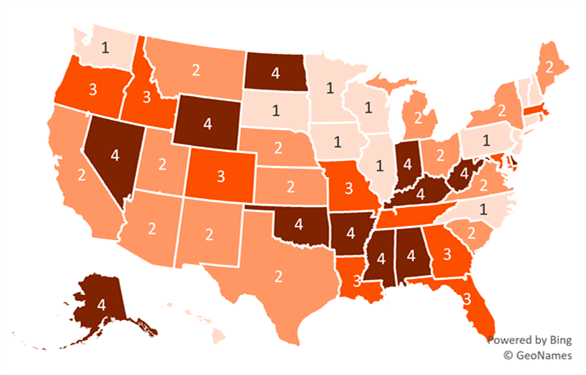
Ways to reduce legal expenses
Divorce costs can feel overwhelming, especially when you are not working. You do not have to accept the highest billable rates or the most complex legal paths. There are specific, actionable steps to minimize your financial burden while protecting your rights.
Mediation is often the most cost-effective path for non-working spouses. Instead of hiring two attorneys to fight in court, you and your spouse work with a neutral mediator to reach an agreement. This typically cuts legal fees by half or more. Collaborative law is another option where both parties commit to settling without trial, which can significantly reduce discovery costs and hourly billing.

You do not always need a lawyer for the entire process. Limited scope representation, sometimes called "unbundled legal services," allows you to hire an attorney for specific tasks only, such as reviewing a settlement agreement or drafting court forms. This approach lets you pay for professional expertise only when it is strictly necessary, avoiding the cost of full-service representation.

If your income is very low, many courts offer fee waivers that eliminate or reduce filing fees. These waivers are typically available if you receive public benefits like SNAP or TANF, or if your income falls below a certain threshold. Check your local court’s website for the specific forms and income guidelines. This can save hundreds of dollars upfront, which is critical when funds are tight.

Lawyers bill by the hour, so time spent searching for documents is time you pay for. Before your first consultation, gather all financial records, including bank statements, tax returns, and property deeds. Create a clear list of assets and debts. Being organized shows the court and your attorney that you are prepared, which can streamline the process and reduce the number of billable hours required for discovery.
Note: This calculator provides a rough estimate. Actual savings depend on your state’s laws, the complexity of your case, and the specific fees charged by professionals in your area.
Common questions about divorce costs
Navigating the financial side of a divorce can feel overwhelming, especially when you are not working. The costs vary significantly depending on your state, whether you have children, and how cooperative the process is. Below are answers to frequent questions to help you plan your next steps.
No comments yet. Be the first to share your thoughts!