

Divorce Costs: A National Snapshot (2026)
Divorce is rarely easy, and the financial implications can be substantial. The cost of divorce varies dramatically across the United States, often leaving people unprepared for the expenses involved. It's a complex legal process with numerous potential costs that can quickly add up.
Several factors influence the overall cost. The level of complexity, such as significant assets to divide or disputes over child custody, plays a huge role. The degree of conflict between spouses is another major driver; a contested divorce will always be far more expensive than an amicable one. Even the state where you file makes a difference, as laws and court fees vary considerably.
While national averages offer a starting point, they shouldn't be taken as gospel. Estimates frequently place the average divorce cost around $15,000, but this figure is heavily skewed by high-asset, highly contested cases. Many divorces are far less expensive, while others can easily exceed $50,000 or even $100,000. These averages often fail to capture the full picture, omitting hidden costs that can catch people off guard.
We’ll break down the various components of divorce costs, including court fees, attorney fees, and often-overlooked expenses. We’ll then provide a state-by-state overview, focusing on Ohio and North Carolina to illustrate the impact of specific state laws. Understanding these costs is the first step toward navigating the financial challenges of divorce.
Decoding Court Filing Fees, State by State
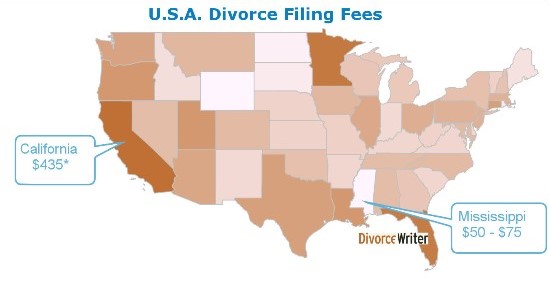
Court filing fees are the initial cost you'll encounter when initiating a divorce. These fees cover the administrative expenses associated with processing your case. While seemingly small, they can vary significantly from state to state. As of early 2026, filing fees generally range from around $100 to $400, but some states have fees exceeding $500.
Here’s a snapshot of filing fees as of March 2026 (note: these are subject to change, so always verify with the official court website):
Some states offer fee waivers for individuals who demonstrate financial hardship. Eligibility requirements vary, but generally, you’ll need to provide proof of low income and limited assets. The North Carolina Judicial Branch, for example, has a clear process for applying for a waiver of court costs, detailed on their website (nccourts.gov).
Beyond the initial filing fee, you may encounter additional court costs throughout the divorce process, such as fees for serving papers, requesting transcripts, or attending hearings. These costs can add up quickly, so factor them into your budget. Keep meticulous records of all court-related expenses.
- Alabama: $228
- Arizona: $230
- California: $435
- Florida: $400
- Illinois: $295
- New York: $335
- North Carolina: $290
- Ohio: $268
- Texas: $250 – $350 (depending on county)
- Pennsylvania: $282.50
Estimated 2026 Divorce Filing Costs by State
| State | Divorce Filing Fee (Estimate) | Fee Waiver Available? | Official State Court Fee Information |
|---|---|---|---|
| North Carolina | Around $299 (based on current costs and anticipated adjustments) | Yes | https://www.nccourts.gov/help-topics/court-costs |
| California | Approximately $435 - $460 (varies by county) | Yes | https://www.courts.ca.gov/fees.htm |
| Texas | Ranges from $230 - $300 (depending on county) | Yes | https://www.txcourts.gov/court-fees/ |
| Florida | Approximately $400 (subject to change) | Yes | https://www.flcourts.org/Resources-Services/Court-Improvement/Fees-and-Assessments |
| New York | Ranges from $335 to $435 (depending on county and type of case) | Yes | https://iapps.courts.state.ny.us/fbem/fees |
| Illinois | Approximately $295 - $300 (varies by county) | Yes | https://www.illinoiscourts.gov/court-fees/ |
Illustrative comparison based on the article research brief. Verify current pricing, limits, and product details in the official docs before relying on it.
Attorney Fees: Hourly Rates and Retainer Expectations
Attorney fees typically represent the largest expense in a divorce, especially in contested cases. The cost of legal representation varies widely depending on the attorney’s experience, location, and the complexity of your case. Hourly rates typically range from $200 to $600 or more, with experienced specialists often charging at the higher end.
Most attorneys require a retainer fee upfront. This is a prepayment for their services, held in a trust account until the attorney earns it by billing against it. Retainer fees can range from $3,000 to $10,000 or higher, depending on the anticipated complexity of the case. Understand how your attorney bills and what their retainer agreement entails.
Factors that can significantly increase attorney fees include a contested divorce, complex asset division (such as business ownership or significant real estate holdings), disputes over child custody or support, and the need for extensive discovery (gathering evidence). Each court appearance, deposition, and legal document prepared will be billed at the attorney’s hourly rate.
Be realistic about the potential for costs to escalate. A seemingly straightforward divorce can quickly become expensive if disagreements arise or if your spouse engages in delaying tactics. Communicate openly with your attorney about costs. Ask for regular billing statements and discuss strategies for controlling expenses.
Hidden Divorce Costs: Beyond Fees and Retainers
Many people underestimate the "hidden" costs associated with divorce. These expenses, while often smaller individually, can collectively add up to a significant sum. Failing to account for them can lead to financial surprises and strain your budget.
Appraisal fees are common when dividing marital property, particularly real estate or businesses. A professional appraisal is needed to determine the fair market value of these assets, and costs can range from $300 to $2,000 or more, depending on the complexity of the asset. Expert witness fees, such as those for forensic accountants or child custody evaluators, can be even more substantial, potentially reaching several thousand dollars.
Mediation costs, while often less expensive than litigation, still involve fees for the mediator’s time. Court reporter fees are incurred if you need a transcript of court proceedings. Credit counseling may be required by the court in some states, adding another expense. Don't forget the cost of obtaining financial records, such as bank statements, tax returns, and investment statements—these can sometimes require legal assistance to obtain.
It’s wise to create a comprehensive budget that includes these potential hidden costs. Setting aside a contingency fund can help you avoid financial stress during the divorce process. Consider proactively gathering as many financial documents as possible before starting the process; this can save you time and money on legal fees.
- Appraisal Fees: $300 - $2,000+
- Expert Witness Fees: $1,000 - $10,000+
- Mediation Fees: $100 - $500 per hour
- Court Reporter Fees: $100 - $500 per day
- Credit Counseling: $50 - $300
- Financial Record Retrieval: $100 - $1,000+
Potential Hidden Divorce Costs
- Appraisal Fees - For valuing property like homes, businesses, or valuable collections. Estimated Cost: $300 - $600+
- Child Custody Evaluation - If disagreements require a professional assessment of parenting abilities. Estimated Cost: $1,000 - $7,000+
- Document Preparation Services - Utilizing services like LegalZoom to prepare initial divorce paperwork. Estimated Cost: $150 - $600+
- Court Reporter Fees - If depositions or hearings are recorded. Estimated Cost: $150 - $500+ per day
- Credit Report Fees - Obtaining credit reports for financial discovery. Estimated Cost: $20 - $100
- Guardian ad Litem Fees - Appointed to represent the best interests of a child, particularly in high-conflict cases. Estimated Cost: $2,000 - $10,000+
- Accounting/Forensic Accounting Fees - Needed to trace assets or determine income, especially for business owners or complex finances. Estimated Cost: $200 - $500+ per hour
State-Specific Cost Drivers: Ohio & North Carolina
undefined divorce can be finalized compared to some other states, potentially increasing legal fees as the case drags on.
Ohio’s property division laws are based on "equitable distribution,’ meaning assets are divided fairly, but not necessarily equally. Determining what constitutes ‘equitable" can often lead to disputes and increased litigation costs, especially in cases involving complex assets like businesses or retirement accounts. The need for forensic accounting to value these assets is common, adding to the overall expense.
North Carolina, on the other hand, is an "equitable distribution" state as well, but it also requires a period of separation before a divorce can be granted. The North Carolina Judicial Branch (nccourts.gov) outlines specific requirements for separation and residency. While not mandating mediation statewide, many counties encourage or require it, which can add a cost but potentially save money in the long run by facilitating settlement.
One key difference is that North Carolina does not permit the consideration of marital misconduct (like adultery) when dividing property. This can simplify the process and reduce legal fees compared to states where fault-based grounds for divorce are more common. However, marital misconduct can be considered when determining alimony, potentially adding complexity and cost to that aspect of the case. Understanding these nuances is vital when estimating divorce costs in either state.
Uncontested Divorce: The Least Expensive Route
An uncontested divorce, where both spouses agree on all terms—property division, child custody, support, and alimony—is by far the least expensive way to dissolve a marriage. Without the need for court battles or extensive negotiations, the costs are significantly reduced. The primary expenses are typically court filing fees and potentially a small fee for drafting the settlement agreement.
To qualify for an uncontested divorce, you and your spouse must be in complete agreement on all issues. This requires open communication and a willingness to compromise. If you can reach an agreement on your own, you may not need to hire attorneys at all, saving you thousands of dollars. However, even in an uncontested divorce, it’s advisable to have an attorney review the settlement agreement to ensure it’s fair and protects your interests.
Online divorce services can offer a more affordable alternative to traditional legal representation in uncontested cases. These services typically provide the necessary forms and guidance for completing the divorce process, often for a flat fee ranging from $200 to $800. However, they are not a substitute for legal advice, and they may not be suitable for complex cases.
It’s important to be realistic about whether an uncontested divorce is feasible. If there are significant disagreements or complex assets, it’s unlikely you’ll be able to resolve the matter without legal assistance. Don’t attempt to navigate a complicated divorce on your own; it could end up costing you more in the long run.
High-Conflict Divorces: When Costs Skyrocket
A high-conflict divorce, characterized by ongoing disputes, acrimonious communication, and a refusal to compromise, can quickly escalate costs. Litigation becomes the primary driver of expenses, as attorneys spend significant time preparing for court hearings, conducting discovery, and arguing motions. Discovery, the process of gathering evidence, can be particularly expensive, involving depositions, interrogatories, and requests for documents.
Each court appearance, from temporary hearings to the final trial, adds to the legal fees. The more contentious the issues, the more time your attorney will need to spend in court, and the higher your bill will be. Expert witness fees can also be substantial in high-conflict cases, as each party may hire their own experts to present conflicting testimony.
Strategies for minimizing costs in a high-conflict situation include attempting mediation, even if it’s court-ordered, and exploring collaborative divorce. Mediation involves a neutral third party who helps you and your spouse reach a settlement agreement. Collaborative divorce involves a team of professionals—attorneys, financial advisors, and mental health professionals—who work together to resolve the issues without going to court.
Remember that prolonging the conflict only benefits the attorneys; it doesn’t serve your interests. While it’s important to protect your rights, it’s also crucial to be reasonable and willing to compromise. Focusing on the long-term well-being of yourself and your family should be your priority.
Cost-Saving Strategies: Minimizing Your Divorce Expenses
Divorce is expensive, but there are steps you can take to minimize your expenses. Proactive preparation is key. Gathering all relevant financial documents—bank statements, tax returns, property deeds, investment statements—before starting the process will save you time and money on legal fees.
Being organized and communicating effectively with your attorney can also help control costs. Prepare a clear timeline of events and a detailed list of assets and debts. Respond promptly to your attorney’s requests and avoid unnecessary phone calls or emails. Considering mediation, as previously discussed, can often be a more cost-effective alternative to litigation.
Exploring limited-scope representation, where you hire an attorney to handle specific tasks rather than representing you throughout the entire process, can also be a good option. For example, you might hire an attorney to review your settlement agreement or to represent you at a specific hearing. This can save you money while still benefiting from legal expertise.
Finally, remember to prioritize. Focus on the issues that are most important to you and be willing to compromise on less significant matters. A reasonable approach can save you time, money, and emotional stress.
What is your biggest concern about the cost of divorce?
Divorce costs can add up quickly, and understanding where your money goes is an important part of planning your next steps. We want to hear from you: which aspect of divorce expenses weighs most heavily on your mind? Vote below and share your experience in the comments.




No comments yet. Be the first to share your thoughts!