

Divorce Costs: A National Snapshot (2026)
Divorce is rarely inexpensive, and unfortunately, the trend is upward. Across the United States, the cost of dissolving a marriage is increasing. This isn't just about filing fees; it’s a combination of factors like more complex legal issues, longer divorce proceedings, and a general rise in the emotional intensity of these cases. When emotions run high, disputes become more frequent, inevitably driving up legal bills.
Several things contribute to this rise. We’re seeing more couples delaying divorce, which often means more assets to divide and more complicated financial histories to untangle. There’s also a growing awareness of legal rights, which can lead to more contested issues. People are more willing to fight for what they believe is fair, and that willingness comes at a price.
It’s important to understand that these are estimates. Every divorce is unique, and the final cost will depend on the specifics of your situation – the length of the marriage, the complexity of your assets, and the level of conflict involved. A simple, uncontested divorce will be far less expensive than a high-conflict case involving significant assets and custody battles. A realistic budget is essential, and preparing for unexpected expenses is always wise.
ConsumerShield reports that the average cost of divorce, including attorney’s fees, can range from $15,000 to $20,000. However, this number can easily balloon to $50,000 or more in complicated cases. These figures represent a national average, and costs will vary significantly by state, as we’ll see in the following sections. Don’t underestimate the financial strain divorce can create.

Filing Fees: State-by-State Breakdown
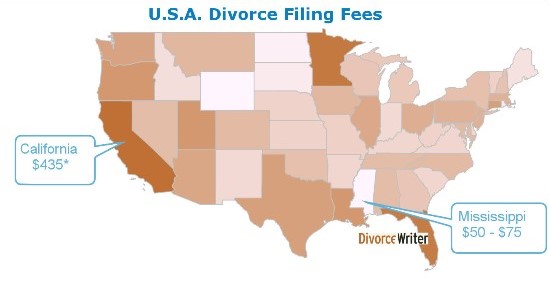
The first hurdle in any divorce is the filing fee – the cost to officially initiate the proceedings with the court. These fees, while seemingly small compared to attorney costs, can still be a significant burden, particularly for individuals with limited financial resources. They also vary considerably from state to state. As of late 2025/early 2026, these are some estimated costs, though they are always subject to change.
Here’s a snapshot of filing fees across several states (these are estimates, and checking with the specific county court is essential): California currently has a filing fee around $435-$460, depending on the county. Texas charges between $290 and $350, depending on the county. New York’s filing fee is approximately $335, while Florida’s ranges from $400 to $500. Illinois charges around $315. These fees generally cover the initial paperwork processing and court administration.
Many states offer fee waivers for individuals who meet certain income requirements. These waivers allow people who can’t afford the filing fee to proceed with their divorce without incurring that initial cost. The eligibility criteria vary by state, but generally involve demonstrating a low income and limited assets. Information about fee waivers can be found on state court websites, like the California Courts Self-Help Guide.
It's important to note that the filing fee is just the beginning. Additional fees may apply for serving papers, requesting copies of documents, or filing motions. Some states also charge fees for mediation or court-appointed experts. Always factor these potential extra costs into your budget.
- California: $435 - $460 (county dependent)
- Texas: $290 - $350 (county dependent)
- New York: $335
- Florida: $400 - $500
- Illinois: $315
2026 Estimated Divorce Costs by State
| State | Filing Fee (Estimated) | Fee Waiver Availability | State Court Website for Fee Information |
|---|---|---|---|
| Alabama | Approximately $229 - $479 (varies by county) | Yes | https://www.alacourt.gov/ |
| Alaska | Approximately $325 | Yes | https://www.courts.alaska.gov/ |
| Arizona | Approximately $299 | Yes | https://www.azcourts.gov/ |
| Arkansas | Approximately $165 | Yes | https://www.arcourts.gov/ |
| California | Approximately $435 - $460 (varies by county) | Yes | https://selfhelp.courts.ca.gov/ |
| Colorado | Approximately $230 | Yes | https://www.courts.state.co.us/ |
| Connecticut | Approximately $400 | Yes | https://www.ctcourts.gov/ |
| Delaware | Approximately $175 | Yes | https://courts.delaware.gov/ |
Illustrative comparison based on the article research brief. Verify current pricing, limits, and product details in the official docs before relying on it.
Attorney Costs: Hourly Rates and Retainer Fees
Attorney fees typically represent the largest expense in a divorce. These costs can vary wildly depending on the attorney’s experience, location, and the complexity of the case. It’s crucial to understand how attorneys charge and what to expect in terms of fees. Hourly rates are the most common billing method, but some attorneys may offer flat fees for specific services, like uncontested divorces.
Average hourly rates in 2026 range from $200 to $600 or more, depending on the attorney’s experience and location. Entry-level attorneys or those in less expensive areas may charge $200-$300 per hour. Mid-career attorneys with several years of experience typically charge $300-$450 per hour. Senior partners at large firms can charge $500-$600 or even higher. Location plays a huge role; attorneys in major metropolitan areas generally charge more than those in rural areas.
A retainer fee is an upfront payment made to the attorney to secure their services. This fee is essentially a deposit against future billable hours. The amount of the retainer varies depending on the complexity of the case and the attorney’s billing practices. Retainers can range from $2,500 to $10,000 or more. It’s vital to understand how the retainer works – whether it’s refundable, how often you’ll receive invoices, and what happens if you run out of retainer funds.
Don’t automatically choose the cheapest attorney. While cost is important, experience and specialization are often worth the extra expense. An attorney who specializes in family law will be more familiar with the relevant laws and procedures, potentially saving you time and money in the long run. Limited-scope representation – hiring an attorney for specific tasks rather than full representation – can also be a cost-effective option.
- Entry-level Attorney: $200 - $300 per hour
- Mid-career Attorney: $300 - $450 per hour
- Senior Partner: $500 - $600+ per hour
- Retainer Fees: $2,500 - $10,000+
Hidden Divorce Expenses: What You Might Miss
Beyond filing fees and attorney costs, many hidden expenses can significantly inflate the total cost of a divorce. People often underestimate these additional costs, leading to financial surprises down the road. It’s crucial to be aware of these potential expenses and factor them into your budget. These can add up quickly, even in seemingly straightforward cases.
One common hidden expense is property appraisals. If you and your spouse own significant assets, such as a house or business, you may need to hire an appraiser to determine their fair market value. Forensic accounting is another potential cost, especially if you suspect your spouse is hiding assets. A forensic accountant can trace financial transactions and uncover hidden income or assets.
Child evaluations can be expensive, especially if there’s a dispute over custody. These evaluations are typically conducted by a psychologist or other mental health professional and can cost several hundred dollars or more. Therapy or counseling for yourself or your children can also add up, particularly if the divorce is emotionally challenging. Moving costs, changes to health insurance premiums, and even tax implications can also contribute to the overall expense.
The cost of conflict is a less tangible but equally significant expense. A prolonged, high-conflict divorce can drain your emotional and financial resources. The more you fight, the more you’ll pay in attorney fees and the greater the emotional toll will be. Exploring alternative dispute resolution methods, like mediation, can help minimize conflict and reduce costs.
- Property Appraisals
- Forensic Accounting
- Child Evaluations
- Therapy/Counseling
- Moving Costs
- Changes to Health Insurance
State-Specific Cost Drivers: California & Texas
Certain states consistently rank as more expensive for divorce due to specific laws, procedures, or high costs of living. California and Texas are often cited as examples. Understanding the factors that contribute to higher costs in these states can help you prepare financially and navigate the process more effectively. It’s not to say these are always the most expensive, but they often present unique challenges.
California’s community property laws are a major cost driver. These laws require an equal division of assets acquired during the marriage, which can lead to complex property valuations and lengthy negotiations. Disagreements over asset division are common, often requiring extensive litigation and driving up attorney fees. The California Courts Self-Help Guide provides detailed information on these laws.
Texas also has specific laws that can increase divorce costs. The state’s rules regarding separate property – assets owned before the marriage or received as a gift or inheritance – can be complex and lead to disputes. Additionally, Texas has a relatively long waiting period before a divorce can be finalized, which can prolong the process and increase legal expenses. The Texas State Law Library offers guides on filing for divorce and understanding Texas divorce law.
The high cost of living in major metropolitan areas within these states, like Los Angeles and Houston, also contributes to higher attorney fees. Attorneys in these areas typically charge more for their services due to the higher overhead costs. It’s important to factor in these regional cost differences when budgeting for your divorce.
Navigating Costs with a Non-Working Spouse
When one spouse doesn’t work or earns significantly less than the other, the financial implications of divorce can be particularly complex. Alimony, also known as spousal support, is often a key issue in these cases. Alimony is designed to provide financial support to the lower-earning spouse, helping them maintain a reasonable standard of living after the divorce.
The amount and duration of alimony vary greatly depending on state law, the length of the marriage, the earning capacity of each spouse, and other factors considered by the court. Alimony isn’t automatic; the court will carefully consider the specific circumstances of the case. Factors such as the age and health of each spouse, their contributions to the marriage, and their ability to become self-supporting are all taken into account.
Alimony can significantly impact the overall cost of divorce. The paying spouse will have to make ongoing payments, which can add up over time. The receiving spouse may need to seek legal assistance to ensure they receive a fair amount of support. The process of negotiating alimony can be contentious, potentially leading to increased attorney fees.
Understanding your state’s alimony laws is crucial. Each state has its own specific rules and guidelines. Consulting with an experienced family law attorney can help you navigate these complexities and protect your financial interests. It's important to remember that the goal of alimony is to achieve a fair and equitable outcome for both parties.
Cost-Saving Strategies: Mediation & DIY Options
Reducing the cost of divorce is a priority for many people. Fortunately, several strategies can help you minimize expenses. Mediation and collaborative divorce are two alternative dispute resolution methods that can significantly lower costs compared to traditional litigation. Mediation involves a neutral third party who helps you and your spouse reach a mutually agreeable settlement.
Collaborative divorce involves both spouses and their attorneys working together in a cooperative manner to resolve the divorce issues. Both mediation and collaborative divorce are typically less adversarial and more cost-effective than going to court. They also allow you to have more control over the outcome of your divorce. However, these methods require both spouses to be willing to cooperate.
DIY divorce – handling some or all aspects of the divorce yourself – is another option, but it’s not right for everyone. If your divorce is simple and uncontested, you may be able to file the necessary paperwork and navigate the process without an attorney. However, it’s crucial to understand the risks involved. Mistakes can be costly and delay the process.
If you’re considering DIY divorce, carefully research your state’s laws and procedures. Utilize online resources and templates, but be aware that these may not be tailored to your specific situation. If your divorce involves significant assets, complex financial issues, or child custody disputes, it’s strongly recommended to seek legal counsel.
Resources and Legal Aid
For individuals who can’t afford the costs of divorce, several resources are available. Legal aid organizations provide free or low-cost legal services to those who meet certain income requirements. Pro bono services – attorneys volunteering their time – are also available in many areas. State-specific resources can offer additional assistance.
The Legal Services Corporation (LSC) is a national organization that provides funding for civil legal aid programs across the country. You can find a legal aid program in your area by visiting the LSC website. Many state bar associations also offer pro bono referral services. These services can connect you with attorneys who are willing to provide free legal assistance.
State court websites often have information about resources for low-income individuals, including fee waivers and self-help materials. Local community organizations may also offer assistance with divorce-related issues. Don’t hesitate to reach out and explore all available options.
Remember, you are not alone. Many resources are available to help you navigate the financial challenges of divorce. Taking advantage of these resources can significantly reduce your stress and ensure you receive fair treatment throughout the process.
- Legal Services Corporation (LSC):
- State Bar Associations (Pro Bono Referral Services)
- State Court Websites (Fee Waivers & Self-Help Materials)
- Local Community Organizations
State Legal Aid Resources
- Legal Services Corporation (LSC) - Provides financial support for civil legal aid to low-income individuals. Access state-specific programs through their website.
- LawHelp.org - A national directory connecting individuals with free legal aid programs in their state. Offers information on various legal topics, including divorce.
- American Bar Association (ABA) Free Legal Answers - A virtual legal clinic where licensed attorneys answer basic legal questions online, potentially helpful for initial divorce inquiries.
- State Bar Associations - Most state bar associations offer lawyer referral services and often have pro bono programs or reduced-fee services for those who qualify.
- National Network to End Domestic Violence (NNEDV) - Offers resources and referrals to legal assistance for survivors of domestic violence, which can be crucial in divorce cases involving abuse.
- Pro Bono Net - A platform connecting individuals in need with pro bono legal resources and organizations across the country. Focuses on increasing access to justice.
- Local County Bar Associations - Often provide localized legal aid services, clinics, and reduced-fee options not available at the state level. Check your county’s bar website.


No comments yet. Be the first to share your thoughts!