

Online Divorce: The 2026 Shift
Getting divorced is tough, but the process is getting easier. Online divorce filing, also known as digital divorce or e-divorce, is becoming more common. It’s not a future concept; it’s happening now and will likely grow by 2026. People like it because it’s cheaper, faster, and can be done from home. This is good news for anyone going through a hard time.
But it's not the same everywhere. Online divorce systems differ a lot by state. Some states let you file everything online, from start to finish. Others only let you upload documents, so you still have to fill out the forms yourself. Many states haven't adopted online filing at all. Even in states with more advanced systems, you'll likely still face some steps that require your direct involvement.
The idea of a fast, cheap online divorce is appealing, but you need to know its limits. Online divorce works best for simple, uncontested cases where both spouses agree on everything, like dividing property, child custody, and support. If you have a lot of assets, complicated finances, or disagreements, you'll probably need a lawyer. Don't let online filing make you careless; a badly handled divorce can cause problems for a long time.
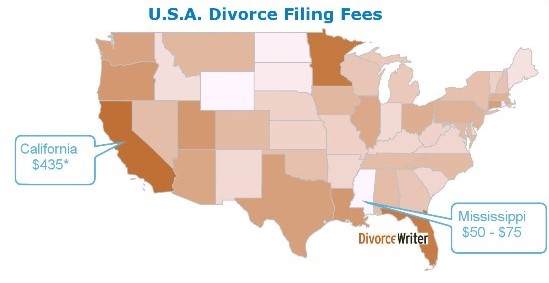
State-by-State E-Filing Availability
Online divorce filing options differ greatly. In late 2023 and early 2024, some states are ahead of others. Indiana has a decent system through its Self-Service Legal Center (in.gov), offering forms and instructions, but it's not fully automated. Cuyahoga County, Ohio, has interactive PDF divorce forms for cases without children (supremecourt.ohio.gov). This helps, but you still need to fill out the forms correctly.
Other states are moving forward, but slowly. California lets you e-file in many counties, but rules can change depending on the county. Florida is adding more e-filing options, but it's not available everywhere yet. Texas has few e-filing choices, mostly in specific counties. New York is just starting, focusing on uploading documents instead of a full digital process.
By 2026, some states plan to offer more online divorce options. Pennsylvania is testing an e-filing system in some counties, aiming for statewide use. Michigan is also looking into easier digital divorce processes. However, laws and money issues could slow these plans down. Always check your state's court websites for the latest details.
Here's a quick overview (as of February 2024 – subject to change):
Full Online Filing: Limited – Indiana has some features, but it's not a completely automated system. No states currently offer a truly end-to-end digital divorce process.
Document Upload Options: California (county-dependent), Florida (expanding), Ohio (limited to cases without children), Texas (limited counties).
No Online Filing: A significant number of states, including New York, Massachusetts, and Illinois, still require all divorce paperwork to be filed in person or by mail.
- Full Online Filing: Limited – Indiana has some features, but it's not a completely automated system. No states currently offer a truly end-to-end digital divorce process.
- Document Upload Options: California (county-dependent), Florida (expanding), Ohio (limited to cases without children), Texas (limited counties).
- No Online Filing: A significant number of states, including New York, Massachusetts, and Illinois, still require all divorce paperwork to be filed in person or by mail.
Digital Divorce Filing: State-by-State Overview (2026 Projection)
| State | E-Filing Availability | Online Resources | Typical Turnaround | Estimated Costs |
|---|---|---|---|---|
| Alabama | Limited – some counties | State Court Website provides forms, but filing is largely in-person. | Generally slower, dependent on county backlog. | Varies by county, generally moderate. |
| Alaska | Full | Comprehensive online filing system available statewide. | Moderate, potentially faster in larger districts. | Generally moderate. |
| Arizona | Full | Arizona Courts E-Filing system. Extensive online guides. | Moderate to fast, depending on complexity. | Moderate. |
| California | Limited – expanding | Online forms available, but e-filing is not universal; many courts require physical filing. | Can be lengthy due to court congestion. | Higher, particularly with attorney fees. |
| Florida | Full | Florida Courts E-Filing Portal. Robust online resources. | Moderate, can vary significantly by county. | Moderate. |
| Indiana | Limited | Indiana Judicial Branch provides self-service resources, but e-filing is not consistently available across all counties. Indy.gov offers local divorce filing information. | Dependent on county procedures. | Moderate. |
| New York | Full | NY Courts E-Filing system. Extensive online resources and forms. | Can be slow due to high volume. | Higher, especially in New York City. |
| Texas | Full | TexasLawHelp.org and the state court website provide resources. E-filing is widely available. | Moderate, dependent on county. | Moderate |
Qualitative comparison based on the article research brief. Confirm current product details in the official docs before making implementation choices.
Divorce Filing Platforms: A Comparison
Some online services make divorce easier. LegalZoom offers divorce packages starting around $249 plus court fees, best for very simple, uncontested divorces. Divorce.com has similar services with prices based on your needs. Hello Divorce offers different service levels, including lawyer support, with packages from $199 to $899.
These services usually ask you questions to get information, then create the divorce forms. They can also help you file the paperwork with the court. But remember, they don't replace legal advice. If you have complicated issues, talk to a lawyer.
These services usually don't handle contested divorces or cases with large assets. They are for simple situations where both spouses agree. Customer support quality can differ. Some users have had trouble getting help when needed. Before picking a service, read reviews and think about your situation.
indy.gov offers divorce filing resources, but it's not a full online divorce service. It acts more as a guide and information source.
Required Documents & Preparation
Whether you file online or in person, you need to gather documents. You'll likely need a marriage certificate, financial statements (bank accounts, pay stubs, tax returns), property deeds, and any prenuptial or postnuptial agreements. Requirements differ by state and county, so check with the court clerk.
When filing online, scan and upload documents, usually as PDFs. Make sure your scans are clear. Incorrect or missing information can cause delays or rejection. Check all details before submitting.
undefinedconsuming, but it’s a crucial step. Taking the time to gather everything you need upfront will save you headaches down the road. It's also a good idea to make copies of all documents for your records.
- Marriage Certificate
- Financial Statements (bank accounts, pay stubs, tax returns)
- Property Deeds
- Prenuptial/Postnuptial Agreements (if applicable)
Navigating Uncontested vs. Contested Cases
The distinction between uncontested and contested divorces is critical. An uncontested divorce is one where both spouses agree on all the terms – property division, child custody, spousal support, and everything else. This is the type of divorce that’s most suitable for online filing. An contested divorce, on the other hand, involves disagreements that need to be resolved by a judge.
Online filing is generally not appropriate for contested divorces. The process is designed for situations where both spouses are in agreement. If your spouse doesn’t cooperate or you can’t reach an agreement, you’ll need to file for divorce through traditional channels and potentially engage in mediation or litigation. Don't try to force an online filing if the other party is resistant; it will likely be rejected.
If your spouse refuses to respond to your divorce petition, you may need to pursue a default divorce, which involves serving them with notice of the proceedings. This process can be more complex and may require the assistance of an attorney.
Common Online Filing Mistakes
Even with the convenience of online filing, mistakes happen. One common error is using the wrong forms. State and county courts often have specific forms for different types of divorce cases. Using the wrong form can cause delays or rejection. Another frequent mistake is providing incomplete or inaccurate information. Double-check all details before submitting anything.
Improper formatting is also a common issue. Courts often have specific requirements for how documents should be formatted (font size, margins, file type). Failing to meet these requirements can lead to rejection. Many users also underestimate the importance of proper service of process. You must ensure your spouse is officially notified of the divorce proceedings, even if you're filing online.
If you realize you’ve made a mistake, don’t panic. Contact the court clerk immediately and explain the situation. They may be able to provide guidance on how to correct the error. Depending on the severity of the mistake, you may need to refile the paperwork.
Resources & Further Help
This article provides a general overview of online divorce filing procedures. However, it’s not a substitute for legal advice. If you have complex issues or concerns, consult with an attorney. State court websites are an excellent source of information about specific requirements and procedures in your jurisdiction. You can find links to state court websites through the National Center for State Courts (ncsconline.org).
If you can’t afford an attorney, consider contacting your local legal aid organization. These organizations provide free or low-cost legal assistance to those who qualify. You can find a list of legal aid organizations through the Legal Services Corporation (lsc.gov). Remember, navigating a divorce can be emotionally and legally challenging. Don’t hesitate to seek help when you need it.
No comments yet. Be the first to share your thoughts!