

Divorce law shifts in 2026
Divorce laws are shifting in 2026, though the impact depends entirely on where you live. Since states govern their own family codes, a new rule in California has no bearing on a filing in Texas. The general move this year is toward faster, less adversarial filings for couples who already agree on the big stuff.
California is often a bellwether for these changes, and it’s where we’re seeing some of the most significant developments. The state is pushing forward with initiatives designed to make divorce less adversarial, especially for couples who are already in agreement on major issues. We’re also observing a broader move toward greater transparency in financial disclosures and a more nuanced approach to property division. These changes reflect a growing recognition that drawn-out court battles often benefit no one.
Beyond California, other states are exploring similar options. Some are experimenting with expanded mediation services, while others are focusing on simplifying court forms and procedures. A key driver behind these changes is court congestion. Many states are simply overwhelmed with divorce cases, and they’re looking for ways to reduce the burden on the system. The hope is that by making the process more accessible and efficient, more couples will be able to resolve their differences outside of court.

California's new joint petition
Effective January 1, 2026, California will implement a new “Joint Petition for Dissolution” process. This is a significant development for couples who are in agreement about the terms of their divorce. It allows both parties to file a single petition outlining their agreed-upon terms, rather than each filing separate documents. This will streamline the paperwork and potentially speed up the process considerably.
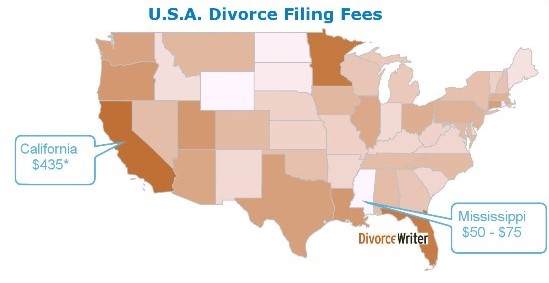
The joint petition works for couples who have already signed a settlement agreement. By filing together, you skip the standard process of one spouse serving the other with papers. This cuts down on filing fees and the months spent waiting for a response period to expire.
However, it's crucial to understand that this isn't a magic bullet. The joint petition is not appropriate for cases involving domestic violence, abuse, or significant power imbalances. In those situations, it's essential to protect your rights and seek legal representation. Also, while it streamlines paperwork, it doesn’t eliminate the need for court approval. A judge will still review the agreement to ensure it's fair and equitable. The collaborative divorce process, where both parties and their attorneys agree to resolve the case outside of court, will be particularly well-suited to take advantage of these changes.
The rise of collaborative divorce
Collaborative divorce is gaining popularity as a more constructive alternative to traditional litigation. At its core, it’s a process where you and your spouse agree to work together, with the help of trained professionals, to reach a mutually acceptable settlement. This differs significantly from litigation, where each party hires an attorney to advocate for their position, often leading to a win-lose scenario.
The benefits of collaborative divorce can be substantial. It tends to be less adversarial, which can reduce emotional stress for everyone involved, including children. It's often faster and less expensive than litigation, as it avoids the costs associated with court hearings and trials. Plus, you and your spouse have more control over the outcome, rather than leaving it up to a judge. Collaborative Divorce California emphasizes the benefits of this approach.
However, collaborative divorce isn’t right for everyone. If there’s a history of domestic violence or a significant power imbalance, it’s likely not a suitable option. It also requires both parties to be willing to cooperate and negotiate in good faith. Crucially, collaborative divorce involves a team of neutral professionals – divorce coaches, financial specialists, and child specialists – who provide guidance and support throughout the process. These professionals are key to ensuring a fair and equitable outcome.
- Divorce coaches manage the emotional logistics of the split.
- Financial specialists value shared assets and debt.
- Child specialists focus on the impact of the schedule on the kids.
New rules for property division
We’re seeing a trend toward greater scrutiny of asset valuation in divorce cases, particularly when it comes to complex assets like businesses or retirement accounts. Courts are increasingly requiring expert appraisals to ensure a fair and accurate division of property. This is especially important in high-net-worth divorces, where substantial assets are at stake.
There's also a growing discussion around the treatment of separate property versus marital property. Traditionally, separate property – assets acquired before the marriage or received as a gift or inheritance during the marriage – was considered off-limits in a divorce. However, some courts are now taking a more nuanced approach, considering whether separate property has been commingled with marital property or whether it has contributed to the marital estate.
This is an area where laws are still evolving, and it’s essential to consult with an attorney to understand how these changes might affect your specific situation. Best Lawyers notes that changes in California divorce law reflect evolving understandings of US families and their financial arrangements. It’s not a simple matter of dividing assets equally; courts are considering a wider range of factors to ensure a just outcome.
Spousal Support and Alimony
Changes to spousal support, or alimony, laws are always a hot topic. While there’s no single nationwide shift, we're observing a trend toward more predictable formulas for calculating support payments. Some states are moving away from discretionary awards and toward a more structured approach based on factors like income, length of marriage, and earning potential.
Courts are also becoming less willing to award long-term alimony, particularly in cases where the recipient spouse is capable of becoming self-sufficient. There’s an increasing emphasis on rehabilitation – helping the recipient spouse acquire the skills and education needed to re-enter the workforce. This doesn’t mean that alimony is becoming less common, but it does mean that the duration and amount of support are often more limited.
A common misconception is that one spouse is automatically entitled to support. This isn’t necessarily true. Courts consider a variety of factors, including the contributions of each spouse to the marriage, both financial and non-financial. The increasing recognition of non-monetary contributions, such as homemaking and childcare, is influencing alimony decisions.
Child Custody and Parenting Plans
There's a growing trend towards equal parenting time in child custody arrangements, although this isn’t yet the norm in all states. Courts are increasingly recognizing the benefits of both parents being actively involved in their children’s lives. This doesn’t necessarily mean a 50/50 split, but it does mean that courts are considering ways to maximize each parent’s time with the children.
Disputes over relocation – when one parent wants to move a significant distance with the children – continue to be a major source of conflict. Courts generally prioritize the children’s best interests when making these decisions, considering factors like the stability of the new location, the children’s relationships with both parents, and the reasons for the move.
Creating a detailed and workable parenting plan is essential. This plan should outline everything from daily routines to holiday schedules to decision-making authority. Mediation is often used to help parents create a parenting plan that meets their children’s needs. A well-crafted plan can minimize conflict and provide stability for the children during and after the divorce.

No comments yet. Be the first to share your thoughts!