

Divorce Costs in 2026: A State-by-State View
Divorce costs are rising in 2026 due to factors like court backlogs, increasing attorney rates, and complex asset division. Understanding these expenses is the first step in navigating this difficult process.
This article breaks down divorce costs across the U.S., including court fees, attorney bills, and hidden expenses. Costs vary by conflict level, state, and individual circumstances. These are estimates; every divorce is unique.
Costs range widely. An uncontested divorce can cost a few hundred dollars, while a contested case with significant assets and child custody disputes could exceed $50,000. This article covers filing costs, attorney fees by state, and court filing fees.
Court Filing Fees: The Baseline Costs
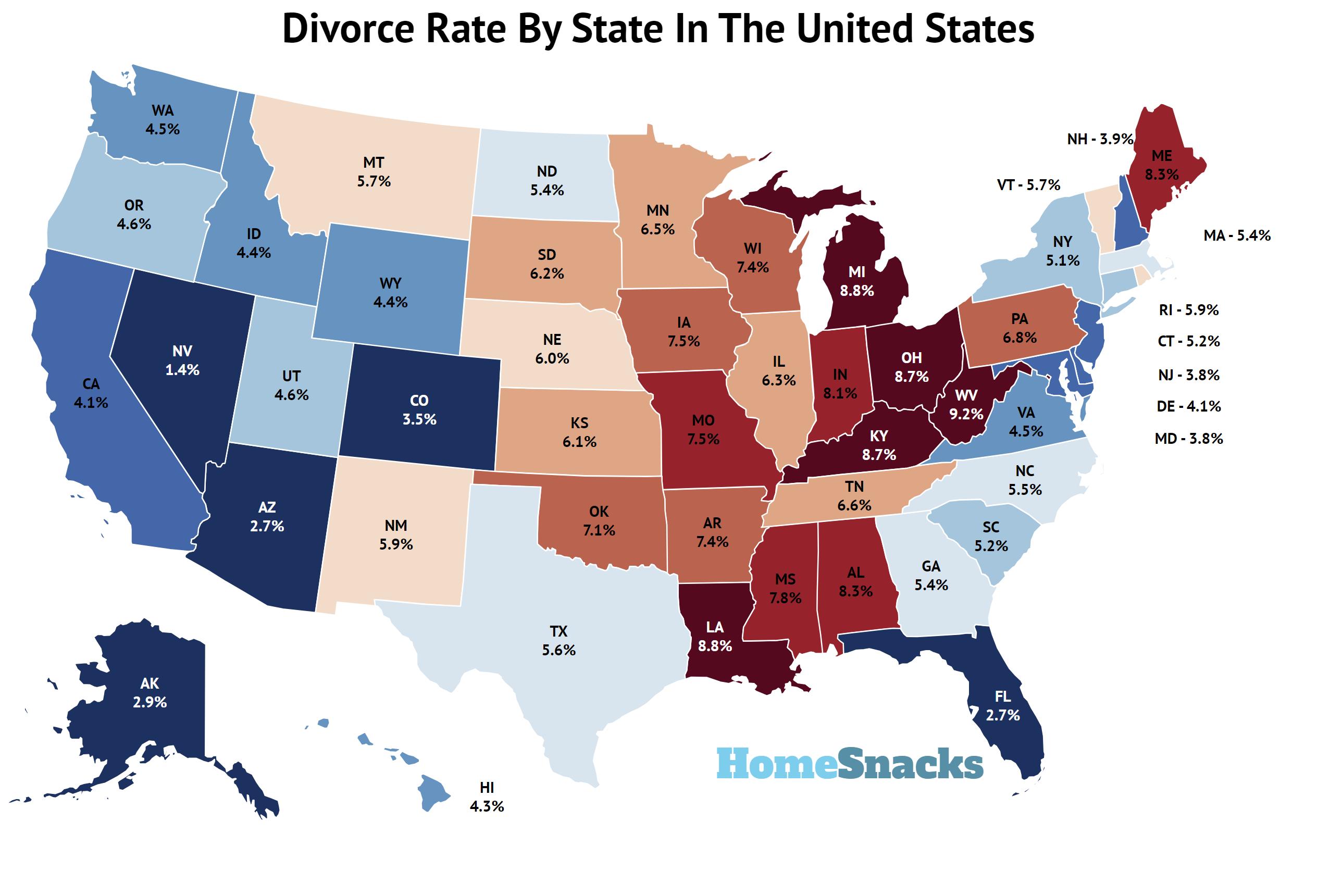
Court filing fees are the starting point for any divorce, covering administrative costs. These fees, generally the lowest expense, vary significantly by state. As of late 2026, expect fees from $100 to $400, with some states charging more.
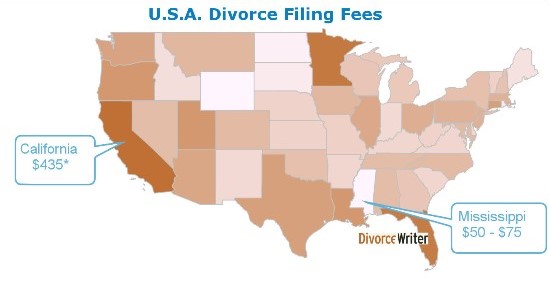
For example, in California, the filing fee is currently $435 in most counties. Texas charges between $230 and $350 depending on the county. Florida’s filing fee is approximately $400. These numbers can change, so always check the specific court's website in the county where you plan to file. You can usually find this information on the state court system’s website.
Many states offer fee waivers for those demonstrating financial hardship. Eligibility varies, but typically requires income and asset documentation. Inquire about this option if you struggle to afford the filing fee.
Here’s a snapshot of filing fees as of November 2026 (subject to change – verify with the local court):
It's important to note that these are just the initial filing fees. Additional fees may apply for things like serving documents or requesting transcripts.
- California: $435
- Texas: $230 - $350
- Florida: $400
- New York: $335
- Illinois: $295
- Virginia: $100 - $200 (depending on the court)
2026 Divorce Filing Costs by State
| State | Filing Fee (as of Jan 1, 2026) | Fee Waiver Available? | State Court Fee Schedule Link |
|---|---|---|---|
| Virginia | Approximately $125 - $400 (depending on court and complexity) | Yes | https://www.vacourts.gov/courtfees/schedule.html |
| California | Around $435 - $460 (plus county-specific fees) | Yes, based on income eligibility | https://www.courts.ca.gov/fees.htm |
| Texas | Ranges from $230 to $350 (depending on county) | Potentially, through a Pauper's Affidavit | https://www.txcourts.gov/court-fees/ |
| Florida | Generally $400, but can vary by county | Yes, under certain financial hardship conditions | https://www.flcourts.gov/Resources-Services/Court-Improvement/Fees-and-Assessments |
| New York | Between $335 and $435 (depending on county) | Yes, for those who meet specific income requirements | https://iapps.courts.state.ny.us/nyscef/electronicFiling/schedules/feeSchedules |
| Illinois | Approximately $295 - $300 (plus potential additional fees) | Yes, through a Petition for Waiver of Court Fees | https://www.illinoiscourts.gov/courtfees/ |
Illustrative comparison based on the article research brief. Verify current pricing, limits, and product details in the official docs before relying on it.
Attorney Fees: Hourly Rates and Retainer Expectations
Attorney fees are the largest expense for most divorcing couples and can escalate quickly in contested cases. Understanding how attorneys charge, including retainers and hourly rates, is essential. Fees vary by experience, location, and case complexity.
Generally, attorneys bill by the hour. Entry-level attorneys with less than five years of experience might charge between $200 and $350 per hour. Mid-career attorneys with 5-10 years of experience typically range from $350 to $500 per hour. Senior partners at established firms can easily command $500 to $800+ per hour. Location also plays a role; attorneys in major metropolitan areas tend to charge more than those in smaller towns.
In California, a mid-career attorney in Los Angeles might charge $450 per hour. In Texas, rates in Houston could be around $375 per hour. In Florida, you might find rates ranging from $300 to $550 per hour depending on the attorney’s experience and location. New York City attorneys are consistently among the highest, often exceeding $600 per hour for experienced counsel.
Most attorneys require an upfront retainer, typically $5,000 to $10,000 or more, to cover initial costs. Attorneys bill hourly against this retainer. Understand how the retainer works and what happens to any unused portion.
Ask potential attorneys about their billing practices, including billing frequency, included expenses, and alternative fee arrangements. Understanding costs upfront helps avoid surprises.
Here's a rough guide to hourly rates in key states (as of late 2026):
- California: Entry-level: $250-$350, Mid-career: $350-$500, Senior Partner: $500-$800+
- Texas: Entry-level: $200-$300, Mid-career: $300-$450, Senior Partner: $450-$600+
- Florida: Entry-level: $225-$325, Mid-career: $325-$500, Senior Partner: $500-$700+
- New York: Entry-level: $300-$450, Mid-career: $450-$600, Senior Partner: $600-$900+
- Illinois: Entry-level: $230-$330, Mid-career: $330-$480, Senior Partner: $480-$650+
Hidden Divorce Costs: What You Might Overlook
Beyond filing fees and attorney bills, numerous hidden costs can add up during a divorce. Budgeting for these unexpected expenses can prevent financial strain.
Process servers are often required to formally deliver divorce papers to your spouse. Fees typically range from $50 to $150 per attempt. Appraisals are frequently needed to determine the value of real estate, businesses, or other significant assets. These can cost several hundred to several thousand dollars depending on the complexity of the valuation. Expert witnesses, such as accountants or therapists, may be necessary to provide specialized testimony. Their fees can be substantial – easily $200-$500+ per hour.
Credit reports and background checks can be used to uncover hidden assets or debts. These typically cost between $50 and $200 each. If children are involved, the court may appoint a guardian ad litem to represent their best interests. Guardian ad litem fees can be significant, potentially running into the thousands of dollars. Finally, obtaining copies of court documents and transcripts also incurs costs, usually a few dollars per page.
Don't forget about the cost of replacing things like locks after the divorce is finalized, or potential therapy for yourself or your children to cope with the emotional toll. These aren’t legal fees, but they’re real expenses associated with the process.
Creating a detailed budget that includes these potential hidden costs is crucial. Add a buffer for unexpected expenses – it’s always better to overestimate than underestimate.
- Process Server: $50 - $150 per attempt
- Real Estate Appraisal: $300 - $2,000+
- Business Valuation: $1,000 - $10,000+
- Expert Witness (accountant, therapist): $200 - $500+/hour
- Credit Report/Background Check: $50 - $200 each
- Guardian ad Litem: $1,000 - $5,000+
Cost Variations: Contested vs. Uncontested Divorce
Conflict level is the biggest driver of divorce costs. An uncontested divorce, where spouses agree on all issues (property, custody, support), is cheaper and faster than a contested divorce, which involves disagreements and legal battles, leading to higher expenses.
Contested divorces incur costs for discovery, gathering information through interrogatories, depositions, and document requests. Each step requires attorney time and generates fees. Court hearings and trials also add substantial costs.
Mediation offers a cheaper alternative to trial. A neutral mediator helps spouses negotiate a settlement. While not free, mediation is generally less expensive than litigation. Attorneys estimate mediation can save clients 30-50% on overall divorce costs.
A recent contested divorce, lasting over a year, resulted in attorney bills exceeding $60,000 due to extensive discovery and court hearings. Mediation could have saved significant money and emotional stress.
State-Specific Cost Deep Dives: Virginia & Texas
This section examines divorce costs in Virginia and Texas for a more granular understanding of expenses, drawing on information from divorce.law and montagnalaw.com.
In Virginia, late 2026 filing fees range from $100 to $200. Attorney fees are $250 to $500 per hour. An uncontested divorce might cost $1,500 to $3,000. A contested divorce could exceed $10,000, with complex cases reaching $50,000+. Hidden costs include appraisals and guardian ad litem fees if children are involved.
Texas filing fees are $230 to $350. Attorney fees range from $200 to $600+ per hour. An uncontested divorce might cost $1,200 to $2,500. Contested divorces range from $8,000 to $50,000+. Texas cases often have higher costs for expert witnesses, especially business valuations. Montagna Law highlights the cost of discovery in Texas.
Both states offer fee waivers for those meeting income requirements. Explore this option if you struggle with divorce costs. Both states have specific property division rules that can impact overall
Navigating Costs When Facing Financial Disparity
Financial disparity – where one spouse earns significantly more than the other, or one spouse sacrificed career opportunities to raise children – can significantly complicate divorce proceedings and impact costs. The financially disadvantaged spouse may require more legal representation to ensure a fair outcome.
Spousal support (alimony) is often a key issue in these cases. Determining the amount and duration of alimony can be contentious and require extensive documentation and legal arguments, adding to the overall cost. The division of marital property also becomes more complex when there's a significant income gap. The disadvantaged spouse may be entitled to a larger share of the assets to compensate for lost earning potential.
Attorneys may need to hire forensic accountants to trace hidden assets or evaluate the value of complex financial holdings. This adds another layer of expense. The financially disadvantaged spouse may also need to seek temporary support orders to cover living expenses during the divorce process.
It’s important to be proactive and gather all relevant financial documentation, including tax returns, pay stubs, bank statements, and investment records. This will help your attorney build a strong case and minimize the need for costly discovery. Seeking legal counsel early in the process is crucial when facing financial disparity.
Did you feel financially prepared for the costs of your divorce?
Divorce expenses can add up quickly, from court filing fees to attorney retainers and costs you may not have anticipated. We want to hear about your experience. Vote below and share your perspective with the Divorce Jury community!
Reducing Divorce Costs: Strategies for Savings
Divorce is expensive, but there are steps you can take to minimize costs. Exploring DIY divorce options (using online services or court-approved forms) can be a viable option for simple, uncontested cases. However, be cautious and ensure you fully understand the legal requirements before proceeding. Mediation is almost always cheaper than litigation.
Being organized with your documents is crucial. Gather all relevant financial records, correspondence, and other evidence before meeting with your attorney. This will save them time (and you money) on document requests and review. Limit unnecessary communication with your attorney. Focus on providing them with essential information and avoid frequent phone calls or emails about minor issues.
Consider unbundled legal services – paying an attorney for specific tasks (e.g., reviewing a settlement agreement) rather than full representation. This can be a cost-effective way to get legal advice without paying for comprehensive legal services. Finally, maintain a collaborative approach with your spouse whenever possible. A less contentious divorce is almost always a cheaper divorce.



No comments yet. Be the first to share your thoughts!