


What drives divorce costs
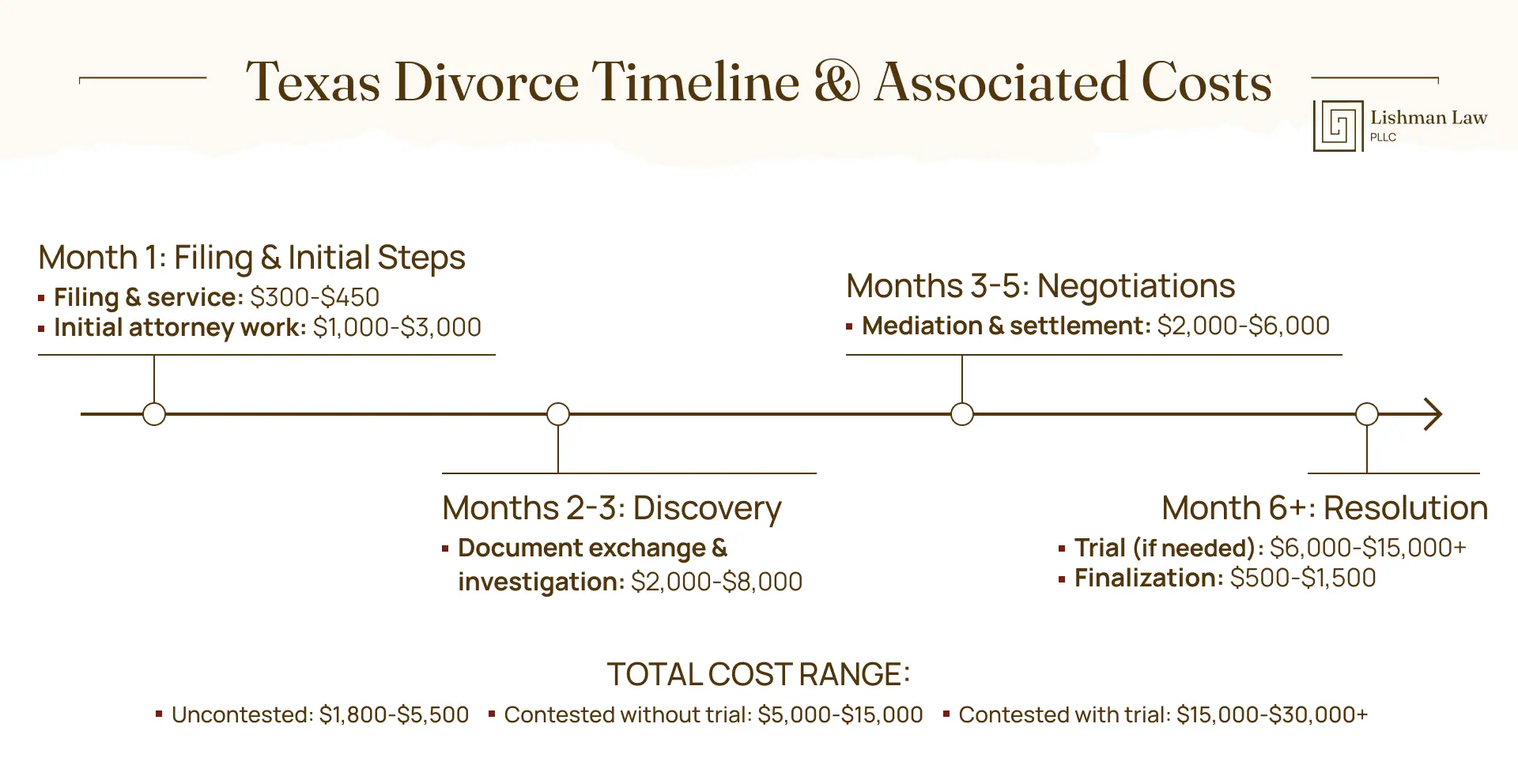
Divorce costs are not fixed. They fluctuate based on case complexity, state laws, and whether the case is contested. A simple, uncontested divorce may cost a few thousand dollars, while a complex, litigated case can exceed tens of thousands. For non-working spouses, these costs present unique financial hurdles, as they often lack the independent income to cover legal fees or court costs.
The primary drivers of cost include attorney hourly rates, court filing fees, and the level of dispute. Attorneys typically charge between $100 and $300+ per hour, depending on experience and location. If you and your spouse cannot agree on asset division, child custody, or support, the case becomes contested, requiring more hours of legal work and potentially expert witnesses. This complexity directly increases the final bill.
Understanding these variables helps non-working spouses anticipate potential expenses and plan accordingly. While costs vary widely, recognizing the factors that influence them is the first step in managing the financial impact of divorce.
State filing fees and court costs
Before considering attorney fees or mediation expenses, every divorce begins with court filing fees. These are mandatory payments to the state clerk to initiate the legal process. For a non-working spouse, these baseline costs represent the immediate financial barrier to entry.
Filing fees vary significantly by jurisdiction. While some states keep entry costs modest, others require several hundred dollars upfront. Understanding these differences helps in budgeting the initial phase of the dissolution.
The table below compares the baseline filing fees for five key states. These figures reflect standard petition fees and may increase if additional motions or county-specific surcharges apply.
| State | Filing Fee | Notes |
|---|---|---|
| North Carolina | $225 | $235 if resuming maiden name |
| Illinois | $300 | Base fee; varies by county |
| New York | $210 | $35 additional for service |
| Florida | $408 | Includes $45 surcharge |
| Texas | $250-$350 | Varies by county |
These costs are non-refundable once the case is filed. In uncontested divorces where both parties agree on terms, these fees may be the only court-related expense. However, if the case becomes contested, these initial costs are often dwarfed by litigation expenses. Always check your specific county clerk’s website, as local jurisdictions may add small administrative fees to the state baseline.
Attorney fees and hourly rates
Legal representation is typically the largest variable cost in a divorce, especially for non-working spouses who may not have immediate access to marital funds. Attorneys generally charge by the hour rather than a flat fee, meaning the final bill depends heavily on how long the case takes to resolve.
The hourly rate you pay is driven primarily by two factors: the attorney’s experience level and the complexity of your case. As noted by Women’s Law, rates typically range from $175 to $450 or more per hour, depending on where you live and the lawyer’s reputation. In many markets, newer attorneys may charge $100+ per hour, while seasoned family law specialists often command $300+ per hour.
How experience affects your bill
A higher hourly rate does not always mean a faster or cheaper outcome, but it often reflects a lawyer’s ability to negotiate effectively and avoid costly procedural errors. For a non-working spouse, understanding this trade-off is critical. A less experienced attorney might seem like a budget option, but if they miss a filing deadline or fail to properly value assets, the resulting court fees and extended litigation can far exceed the savings on hourly fees.
When to choose a junior vs. senior attorney
- Uncontested or simple cases: If you and your spouse have already agreed on child custody, support, and asset division, a less expensive attorney may suffice to draft the necessary paperwork and file it with the court.
- Contested or high-asset cases: If there is significant disagreement or complex assets like businesses or retirement accounts, an experienced attorney’s higher rate is often justified by their strategic expertise. Their time spent negotiating a settlement can prevent months of additional court hearings.
Making the decision
When evaluating legal counsel, ask for a clear estimate of how many hours they anticipate for each phase of your case. Since you are not working, you will need to plan how to cover these costs, whether through spousal support, personal savings, or a legal loan. The goal is to balance quality of representation with your ability to pay, ensuring that legal fees do not deplete the assets you are trying to protect.
Hidden costs in complex cases
A standard divorce might involve filing fees and attorney hourly rates, but complex cases introduce specialized expenses that can quickly deplete a non-working spouse’s limited resources. These costs often arise when one spouse hides assets, disputes child custody, or requires a detailed valuation of a business. For a non-working spouse, these fees are particularly dangerous because they are often billed directly to the primary earner, who may then refuse to pay, leaving the other party to cover the difference or risk an unfavorable settlement.
The most common hidden expense is forensic accounting. When financial transparency is lacking, a forensic accountant investigates bank records, tax returns, and business ledgers to uncover hidden income or assets. This service is not free; it typically costs between $250 and $500 per hour. Similarly, custody evaluators are court-appointed experts who assess the best interests of the children. Their reports carry significant weight in family court, but their fees—often ranging from $2,000 to $10,000—are usually split between the spouses, regardless of income disparity.
Mediation and collaborative law fees also add up. While these methods are often cheaper than litigation, they still require professional time. If mediation fails, the fees already paid are lost, and the case moves to trial, where litigation costs skyrocket. Understanding these potential expenses helps non-working spouses budget for legal representation and avoid being blindsided by bills they cannot afford.
Comparing Additional Expenses
The table below outlines typical additional costs associated with complex divorce proceedings. These figures are averages and can vary significantly based on state laws, attorney experience, and case complexity.
| Service | Typical Cost Range | Who Typically Pays |
|---|---|---|
| Forensic Accounting | $250-$500/hour | Split or billed to requesting spouse |
| Child Custody Evaluator | $2,000-$10,000 | Split between spouses |
| Private Investigator | $50-$150/hour | Billed to requesting spouse |
| Mediator | $200-$400/hour | Split between spouses |
When to Hire Specialized Professionals
Hiring these specialists is not always necessary. If both spouses are transparent about finances and agree on custody arrangements, these costs can be avoided. However, if you suspect your spouse is hiding assets, or if custody is heavily disputed, these professionals become essential. The cost of their services is often outweighed by the long-term financial and custodial outcomes they help secure. Non-working spouses should discuss these potential expenses with their attorney early in the process to ensure they have a clear financial plan.
Estimate your total divorce cost
Every divorce is unique, but you can approximate your financial exposure by combining local filing fees with hourly attorney rates and estimated hours. For a non-working spouse, this number represents a significant hurdle that requires careful budgeting and potentially seeking legal aid or sliding-scale services.
Use the calculator below to input your specific variables. Adjust the hourly rate based on your state’s market and the complexity of your case. This tool provides a baseline estimate; final costs often exceed projections due to unexpected disputes or procedural delays.
Next steps for non-working spouses
Entering a divorce without an income requires a different strategy than a standard filing. The absence of a paycheck does not remove your legal right to support, but it does mean you must prove your need and manage immediate cash flow carefully. Courts look at the marital standard of living and the earning capacity of both parties when determining temporary support and final asset division.
Start by gathering the financial evidence that establishes your baseline. You need to show exactly what the household spends to maintain its current lifestyle. This documentation becomes the foundation for requesting temporary spousal support, which helps cover living expenses while the divorce is pending.
Collect bank statements, tax returns, and credit card bills for the last two years. Create a simple spreadsheet of monthly expenses to show the court what is necessary for your survival. This includes rent or mortgage, utilities, groceries, and insurance. Without this record, it is difficult to argue for adequate temporary support.
You should seek an attorney for formal legal advice and representation. A lawyer can help you understand your state’s specific laws regarding equitable distribution and support. They can also help you apply for court-ordered temporary support to cover legal fees and living costs during the process.
File a motion for temporary spousal support as soon as possible. This payment helps bridge the gap between your current income and your needs. Courts often award this support to ensure that the non-working spouse can maintain a reasonable standard of living while the divorce is being finalized.

Open a personal bank account in your name only. If you have joint credit cards, consider requesting separate cards or closing joint accounts to prevent new debt. Monitor your credit report regularly to ensure no unauthorized activity has occurred during the separation period.

Divorce is a financial reset. Work with a financial advisor to understand how the division of assets, such as retirement accounts or home equity, will impact your future. Consider the tax implications of alimony and asset transfers to avoid unexpected costs later.
No comments yet. Be the first to share your thoughts!